Uma seleção de artigos de especialistas para ajudar você a entender melhor Coronavírus.
According to the World Health Organization (WHO), 48 vaccines have been tested in different countries, with 11 passing through to phase III of trials. Meanwhile, another 164 alternative vaccines are passing preclinical testing.
Any viral infection, whether it is ARVI or temperature, changes the human immune system. People who have had COVID-19 claim that after the disease they began to notice a constant loss of strength, decreased performance, lethargy, deterioration of mood, headaches, shortness of breath during exercise, and exacerbation of chronic diseases. What vitamins should be taken to "invigorate" the immune system after COVID-19?
The first complaints of hair loss from patients with COVID-19 date back to summer 2020. People claimed to lose whole strands and lose up to one-third of their hair. Initially, these claims were not paid much attention, but over time it became clear how widespread the issue is.

During the COVID-19 pandemic, there has been a lot of talk about the importance of a strong immune system. But can it be strengthened with vitamins and supplements? And does it make sense to take them during an illness?

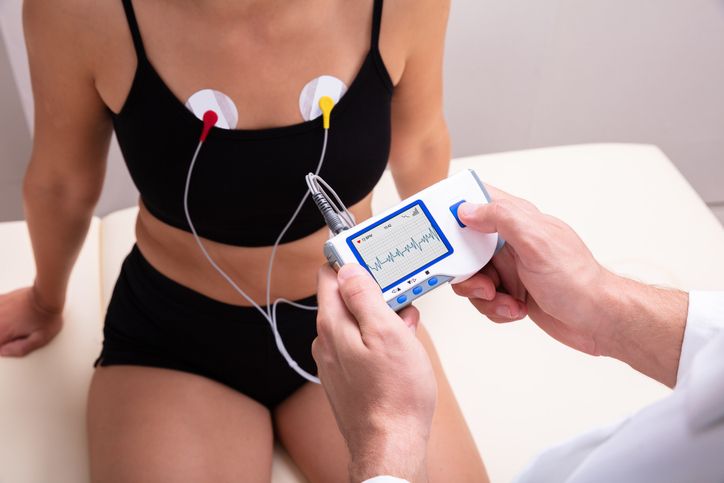
O coronavírus é insidioso em sua imprevisibilidade. Mesmo que você o tenha tido e pense ter se recuperado, pode não ser o caso. O período de reabilitação pode ser de um mês a um ano. Todos os sistemas vitais são atingidos: nervoso, respiratório, cardiovascular, urinário, assim como pele e cabelo. A primeira coisa que você deve fazer é um check-up pós-Covid do corpo.
When Covid-19 became a universal threat, vaccines were developed. The problem seemed to be solved. However, there is a lot of information surrounding vaccines, which makes some hesitant to get them. Let’s look at the risks associated with the vaccine and why some people are hesitant to get it?

"Fiquei doente com o Covid-19 e agora mal consigo andar". "Estou com falta de ar, mesmo ao subir um lance de escadas". "Não posso fazer nenhum exercício". "Depois de ter o coronavírus, estou sempre de mau humor". Estas e outras reclamações vieram de quase todos que tiveram coronavírus, mesmo de forma branda. Por que isto está acontecendo e como se recuperar o mais rápido possível?

This is a question that many people who have had the COVID-19 virus ask themselves. If yes, how much time should pass between having the virus and getting vaccinated? If I don't get vaccinated, will I fall ill again? Let's take a look at how to handle this situation.

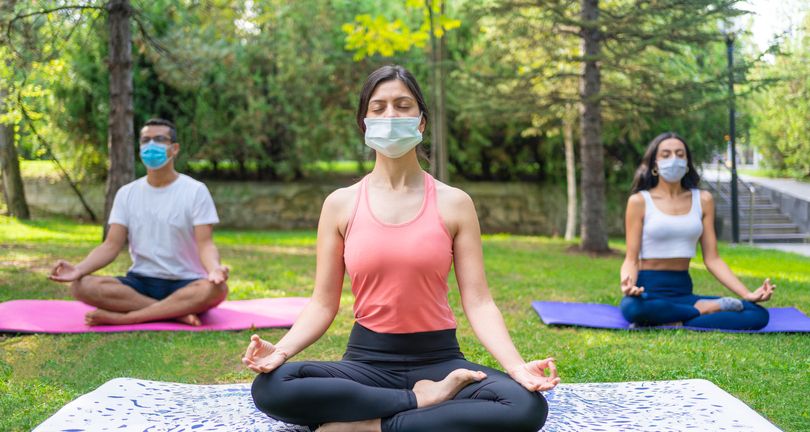
A COVID-19 freqüentemente se torna um teste difícil, não apenas durante a fase aguda da doença, mas também durante o período de recuperação. As pessoas acostumadas a um ritmo rápido precisam se lembrar de voltar às atividades anteriores gradualmente, aumentando suavemente a carga.

Many people have decided to get vaccinated against COVID-19. If you are one of them, here are some tips to keep in mind.

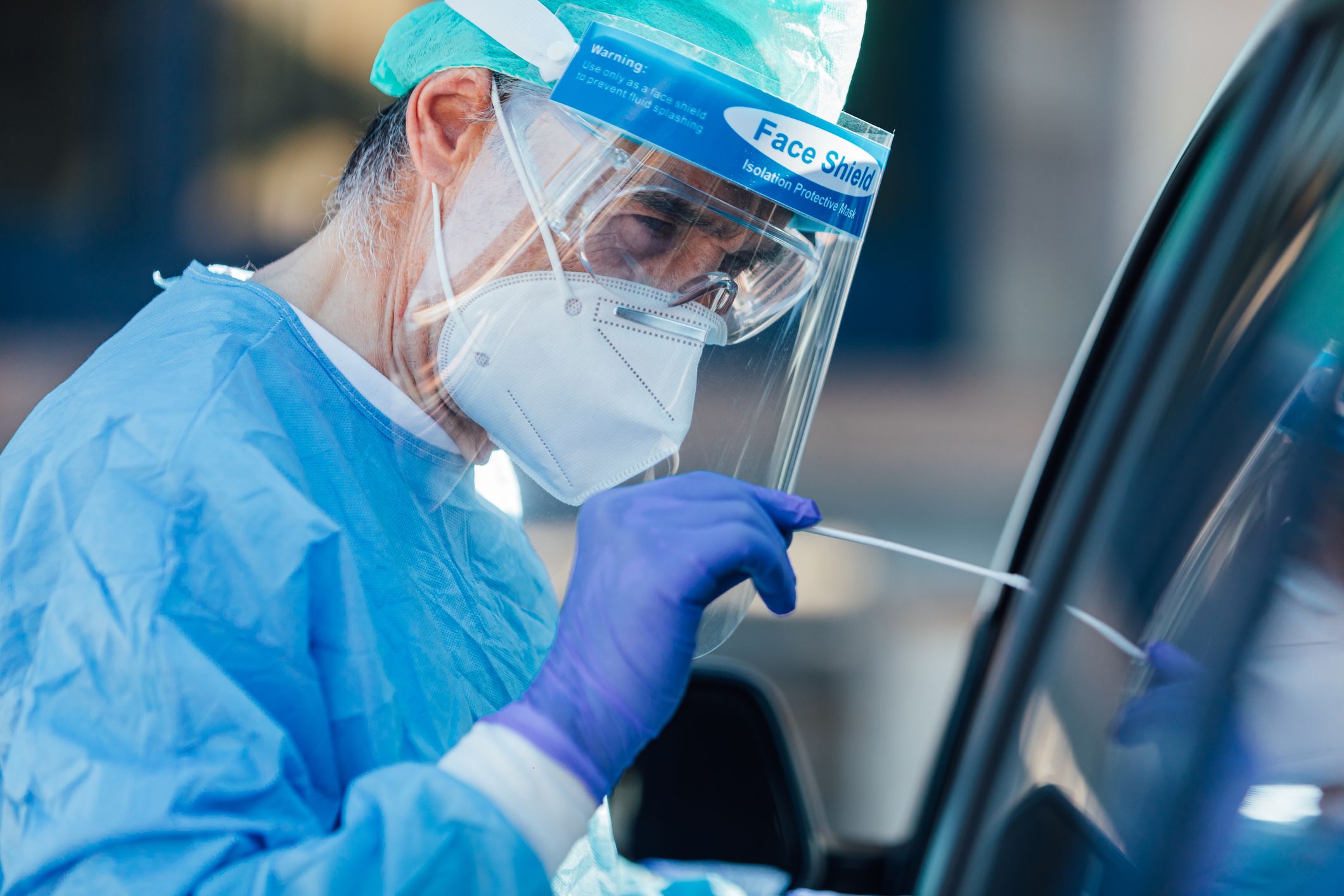
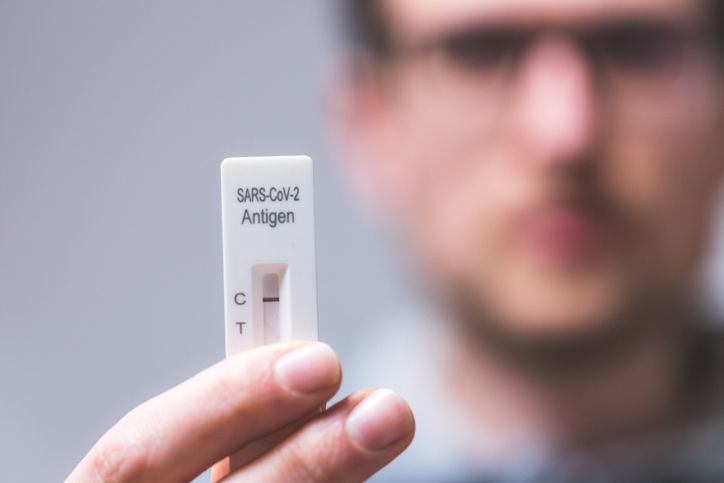
Scientists at the University of Maryland School of Medicine have developed two tests for coronavirus that are comparable in accuracy to tests used in laboratories. The results can be obtained in 5 minutes.

A estação fria ativa vírus, incluindo o COVID-19. Desde o final de agosto, a incidência do coronavírus começou a aumentar em todo o mundo, e uma nova cepa de "pirrol" apareceu em vários países. Devemos ter medo dela?
Thrombosis of small and large blood vessels is one of the most dangerous consequences of COVID-19, and doctors often use blood thinners, or anticoagulants, to fight against the virus and prevent blood clots. In what cases are blood thinners necessary?
Vitamins improve your immunity, which means that they protect you from viruses, including COVID-19. Those who don't want to get sick should check the level of vitamins and minerals in their blood and consider taking additional vitamins if necessary.

Instale o Ornament para não apenas ler estes artigos, mas também acompanhar sua saúde, armazenar resultados de exames e acessar outros recursos úteis