Why do spots appear?
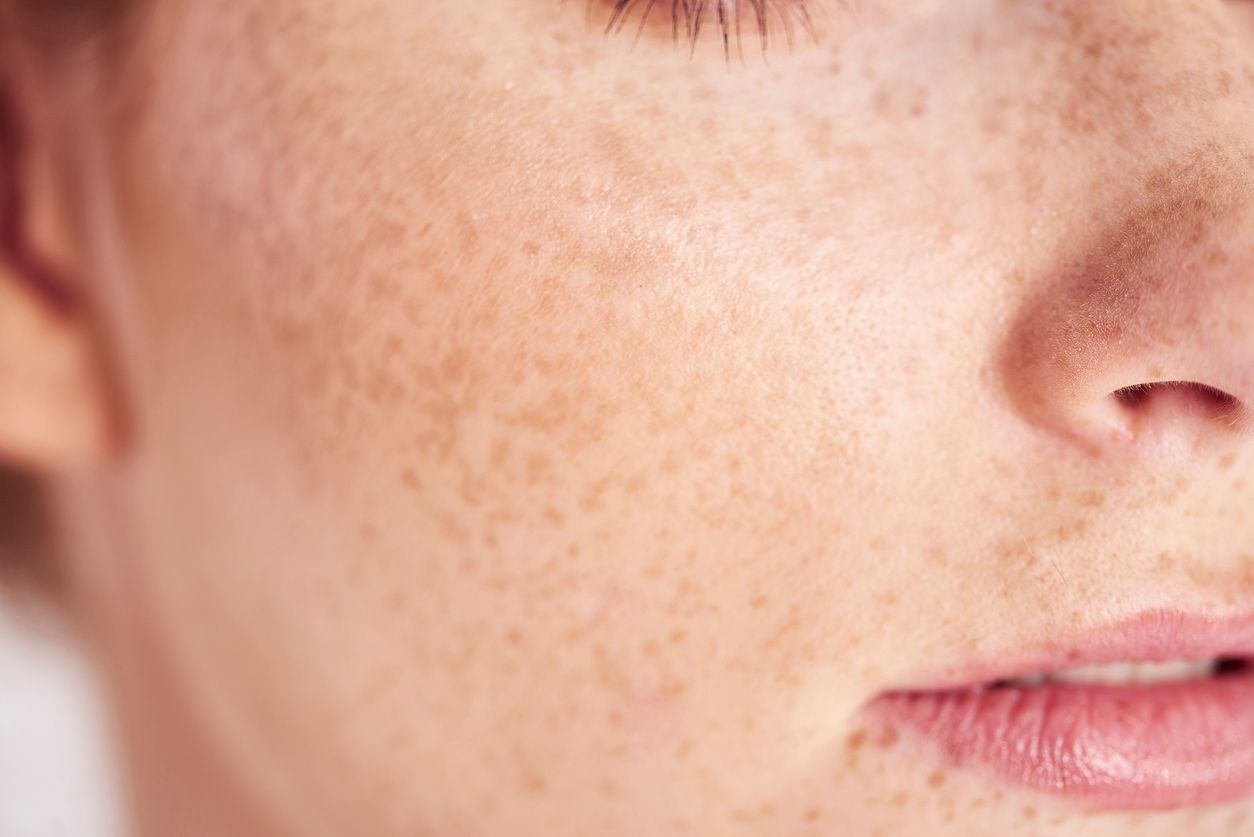
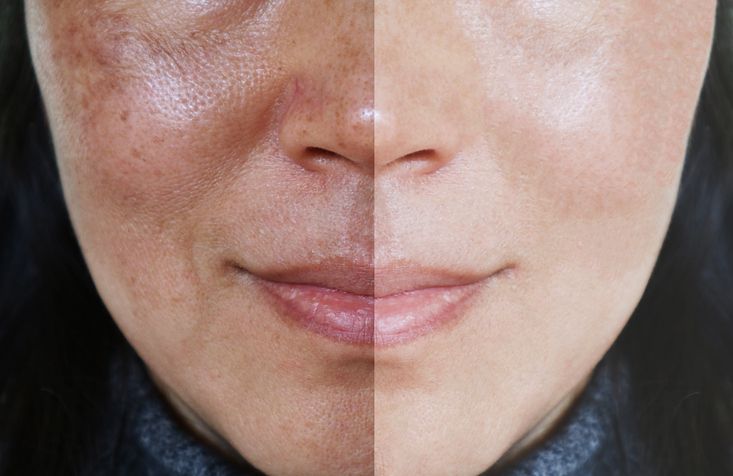
The main provocateur of the formation of age spots is the sun. Ultraviolet light is perceived by melanocytes as an aggressor, forcing cells to defend themselves and intensively produce pigment, which concentrates right on the sites of damage.
Photodamage — the consequence of excessive sun exposure without protection. They tend to accumulate, and in the end, there comes a critical moment when melanin lies on the skin unevenly, regardless of whether you are tanning or not.
Pigmentation often persists on previously burned skin areas. A long-term consequence is photosensitivity: even if you bleached the spots, or they just disappeared, the spots will appear anyway following short exposure to the sun.
Solar xeroderma — premature aging of the skin. Prolonged exposure of a person to direct ultraviolet rays can lead to the development of various damaging reactions in the skin, which will cause the formation of so-called senile pigmentation.
Solariums — the UV rays from lamps are more damaging to the skin than the sun. Dermatologists recommend never visiting tanning salons. The fact that they "prepare" the skin for the sun before going to the beach is nothing more than a myth. People who have sunburned in tanning salons at least several times in their lives are at risk of developing melanoma later in life.
Photo dermatosis — people call it "allergy to the sun," however there is no allergen in the sun's rays themselves. Unpleasant symptoms are caused by the interaction of sunlight with substances on the surface of the skin (mainly perfumes and cosmetic oils). With photodermatitis, once the edema and itching are over, pigment spots may remain on the skin over the entire area of the affected areas.
Additional risk factors
Incorrect skincare. The use of chemical peels increases the sensitivity of the skin to UV rays, and the likelihood of burns or pigmentation also increases.
Taking antibiotics. Some antibiotics reduce the resistance of skin cells to sun exposure. If you are prescribed antibiotics in tablets or ointments, ask your doctor if you need to avoid the sun.
Congenital tendency to the formation of age spots. If pigmentation issues are common in your family and older relatives, you should be especially careful.
The first and most important thing is to realize that tanning is not just undesirable for you, but dangerous and prohibited. Even on cloudy days, UV rays penetrate the clouds and can harm you.
In summer, every time you go outside, you should apply protective equipment to your skin—in the northern regions with a protection factor of at least 15, and the southern regions with 50 or more—and apply again every two hours. Remember, no sunscreen can completely protect the skin from radiation, so the safest way is to wear light clothing made from natural fabrics, a hat with a visor or brim, and avoid direct sunlight.
The second important point is to urgently consult a dermatologist. Many skin conditions cause pigmentation, and it's best to make sure you don't have any of them.
The third step to blemish-free skin is visiting a beautician. Depending on your age, skin type, location, and size of age spots, you will be offered treatments that will remove pigmentation. This usually includes photo rejuvenation, laser therapy, or peels. In most cases, this will fix the problem. However, after such procedures, sunbathing is categorically forbidden—otherwise, the pigmentation will return in greater volume.
Pigmentation may have other non-sun-related causes, which include the following:
Deficiency of vitamin B12. It regulates the synthesis of pigment, thereby preventing the formation of new age spots.
Liver dysfunction. When the liver is not provided with the necessary enzymes, or there is an inflammatory process, the skin can acquire a yellow tint (completely or in some areas).
Disruption of hormonal balance in the body during pregnancy and childbirth, menopause, or adolescence as a result of certain gynecological diseases and problems with the thyroid gland.
Kidney disease. The appearance of yellowish-brown age spots often indicates problems with the functioning of the excretory system.
Skin diseases. Many skin diseases cause disturbances in skin tone, and only a dermatologist can determine the disease.
Injuries to the skin. Pigmentation often appears where there are cuts, and can also appear as a consequence of acne.