


Even during a pandemic, people are not ready to give up travel. Exotic destinations such as Brazil, Dominican Republic, Cuba, Sri Lanka, Mexico, Tanzania, Ethiopia, Kenya, and South Africa are open for tourists. If you go to these countries—especially countries in Africa—you can face dangerous infections, and vaccinations can help protect you.

According to the World Health Organization (WHO), 48 vaccines have been tested in different countries, with 11 passing through to phase III of trials. Meanwhile, another 164 alternative vaccines are passing preclinical testing.

Everyone has encountered the human papillomavirus (HPV) in one way or another. Thanks to today’s vaccines, it is possible to avoid the unpleasant consequences of this infection. In this article we will explain who needs to be vaccinated, when they should be vaccinated, and which vaccine to choose.

When Covid-19 became a universal threat, vaccines were developed. The problem seemed to be solved. However, there is a lot of information surrounding vaccines, which makes some hesitant to get them. Let’s look at the risks associated with the vaccine and why some people are hesitant to get it?

La temporada de infecciones virales se aproxima, y la gripe es una de las más peligrosas. La cuestión de si hay que vacunarse o no, es muy relevante. Nuestra respuesta es que sí, es necesario vacunarse. Veamos las razones.
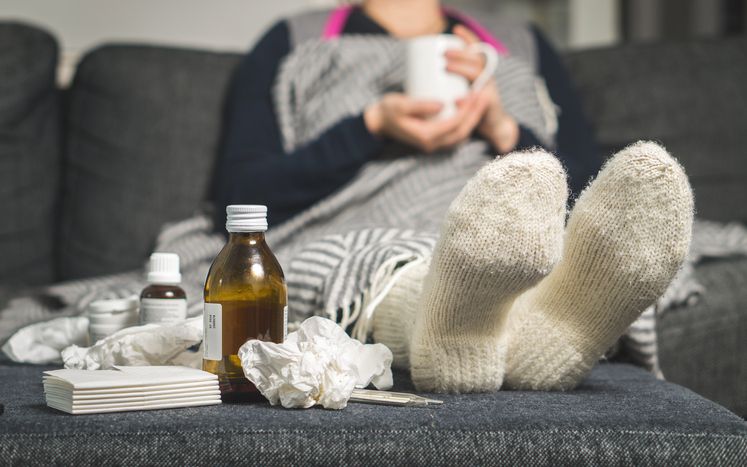
En cuanto llega la temporada anual de gripe, el virus se propaga rápidamente en las escuelas y lugares de trabajo, lo que puede provocar una epidemia. Muchos de los que enferman se recuperan sin complicaciones en una a dos semanas. Sin embargo, la gripe suele causar complicaciones graves, por lo que es importante saber todo lo posible sobre ella.

Científicos del Instituto Nacional de Alergias y Enfermedades Infecciosas concluyeron de que las alergias a los gatos pueden vencerse utilizando medicamentos para el asma.

There are two good reasons to get vaccinated: to protect yourself and to protect those around you who for some reason cannot get vaccinated. When we get a vaccine, our body learns to resist real viruses and bacteria to defend itself against them. What are common myths about vaccines?

A clinical study conducted by researchers at Linköping University, Sweden, has shown that it is possible to develop a vaccine that would prevent the development of type 1 diabetes. The results were published in the journal Diabetes Care.

This is a question that many people who have had the COVID-19 virus ask themselves. If yes, how much time should pass between having the virus and getting vaccinated? If I don't get vaccinated, will I fall ill again? Let's take a look at how to handle this situation.

Aunque en la actualidad la neumonía se asocia principalmente con COVID-19, es una enfermedad que también puede aparecer por sí sola. Veamos las causas, los síntomas y los métodos para prevenir la neumonía.

La hepatitis es el nombre general de la inflamación hepática aguda y crónica de diversos orígenes. Cuando se detecta la hepatitis, la letra añadida al nombre de la enfermedad puede afectar significativamente a su vida.

We usually associate the term "vaccination" with children's healthcare. For example, in the U.S., most people get vaccinated against rotavirus, hepatitis A, hepatitis B, chickenpox, pneumonia, meningitis, diphtheria, tetanus, pertussis, measles, Haemophilus influenza, rubella, polio, mumps, papillomavirus and influenza by the age of 16. However, there is a whole range of vaccines recommended to people in adulthood.

El sarampión es una enfermedad altamente contagiosa causada por el Morbillivirus. Y a pesar de que la mayoría de la gente está inmunizada en la infancia, el mundo está experimentando actualmente una incidencia récord de la enfermedad.