

According to the World Health Organization (WHO), 48 vaccines have been tested in different countries, with 11 passing through to phase III of trials. Meanwhile, another 164 alternative vaccines are passing preclinical testing.

Any viral infection, whether it is ARVI or temperature, changes the human immune system. People who have had COVID-19 claim that after the disease they began to notice a constant loss of strength, decreased performance, lethargy, deterioration of mood, headaches, shortness of breath during exercise, and exacerbation of chronic diseases. What vitamins should be taken to "invigorate" the immune system after COVID-19?
COVID-19 is a dangerous disease due to its unpredictability. Its influence on the course of pregnancy and the health of the child has not yet been studied well enough. And yet—some data is already there, and it looks optimistic.
The symptoms of COVID-19 in children can be easy to miss since many children don't show any symptoms. How seriously can COVID-19 affect children?
The focus of attention is now on the pandemic, which scares people. People watch the news and immediately think "I could get sick,” or “I could die.” How to shift the focus?

The first complaints of hair loss from patients with COVID-19 date back to summer 2020. People claimed to lose whole strands and lose up to one-third of their hair. Initially, these claims were not paid much attention, but over time it became clear how widespread the issue is.
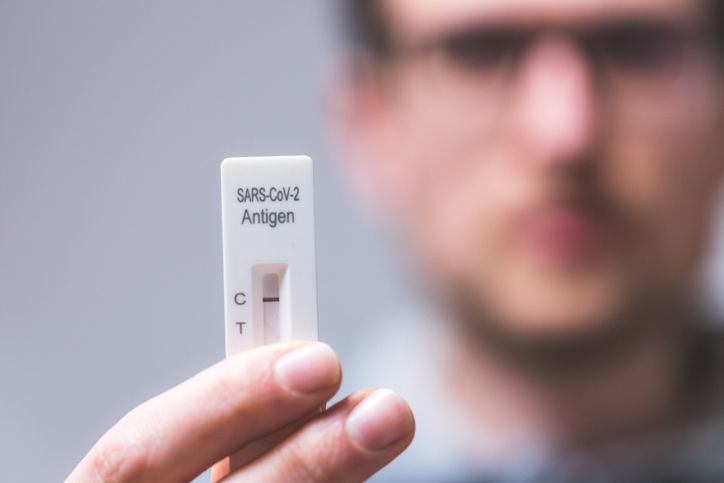
During the COVID-19 pandemic, there has been a lot of talk about the importance of a strong immune system. But can it be strengthened with vitamins and supplements? And does it make sense to take them during an illness?

With the rise of coronavirus, almost everyone has heard about the PCR method, but most people don’t understand exactly why this method is used and why it is better than a blood test.

El coronavirus es insidioso por su imprevisibilidad. Incluso si usted lo ha padecido y cree que se ha recuperado, puede no ser el caso. El periodo de rehabilitación puede ser de un mes a un año. Todos los sistemas vitales se ven afectados: nervioso, respiratorio, cardiovascular, urinario, así como la piel y el cabello. Lo primero que hay que hacer es una revisión corporal completa después del COVID.

When Covid-19 became a universal threat, vaccines were developed. The problem seemed to be solved. However, there is a lot of information surrounding vaccines, which makes some hesitant to get them. Let’s look at the risks associated with the vaccine and why some people are hesitant to get it?
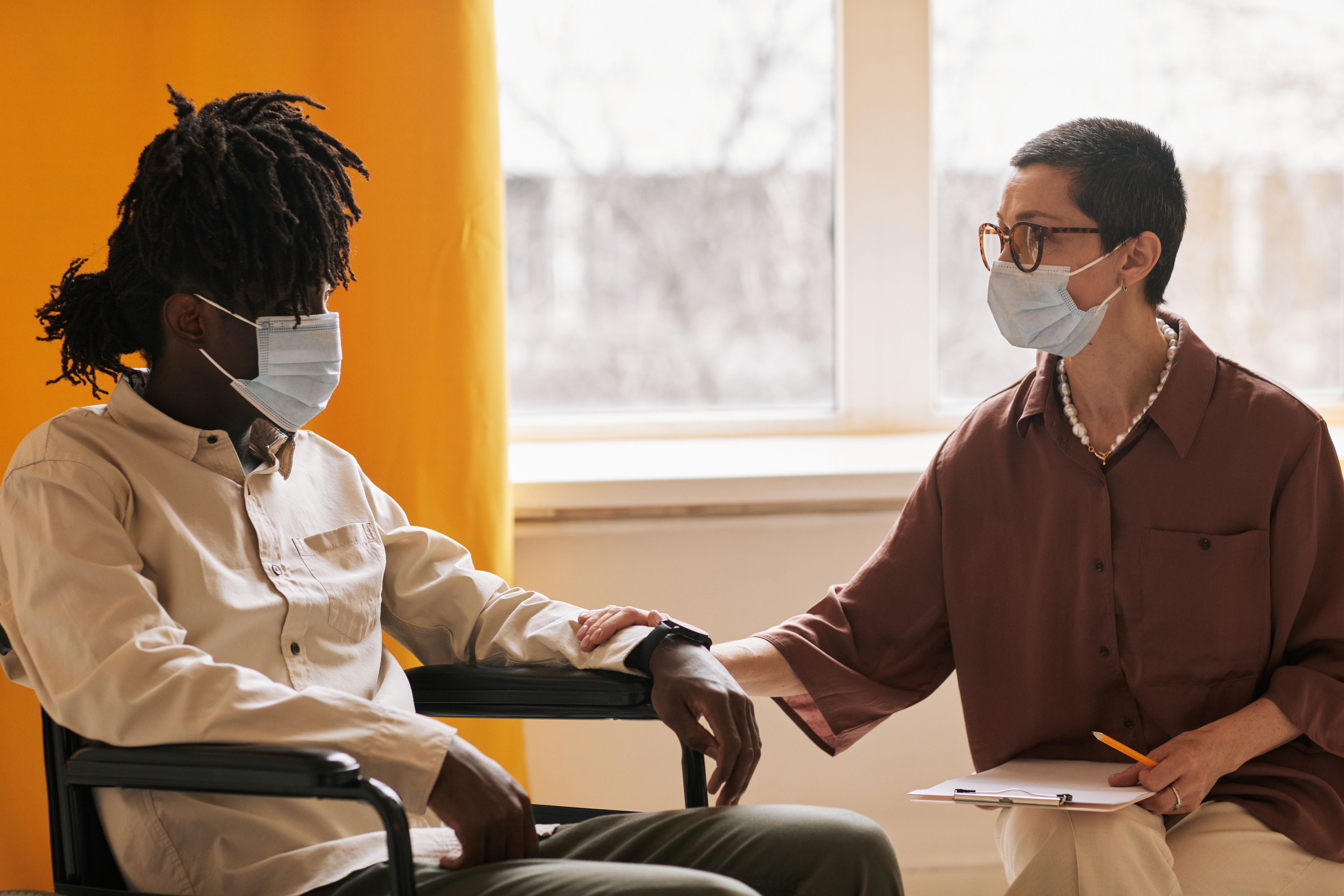
Los datos que arroja la investigación sobre el impacto del COVID-19 en la salud mental sugieren que durante la pandemia hubo un aumento de trastornos de la alimentación y depresión, consumo de alcohol y drogas, divorcio, violencia doméstica y suicidio. Ahora que lo peor parece haber pasado, muchas personas experimentan algún tipo de TEPT. ¿Cómo se manifiesta?
Almost everybody learned the name of this test when the Covid-19 pandemic started. Why is it necessary for all patients who had coronavirus to take this test? What other health conditions might require it?

Parece que tomar la temperatura de una persona es muy fácil, ¿verdad? Sin embargo, ¡no siempre lo es! Para obtener la información correcta, hay que seguir estas sencillas pero importantes reglas.
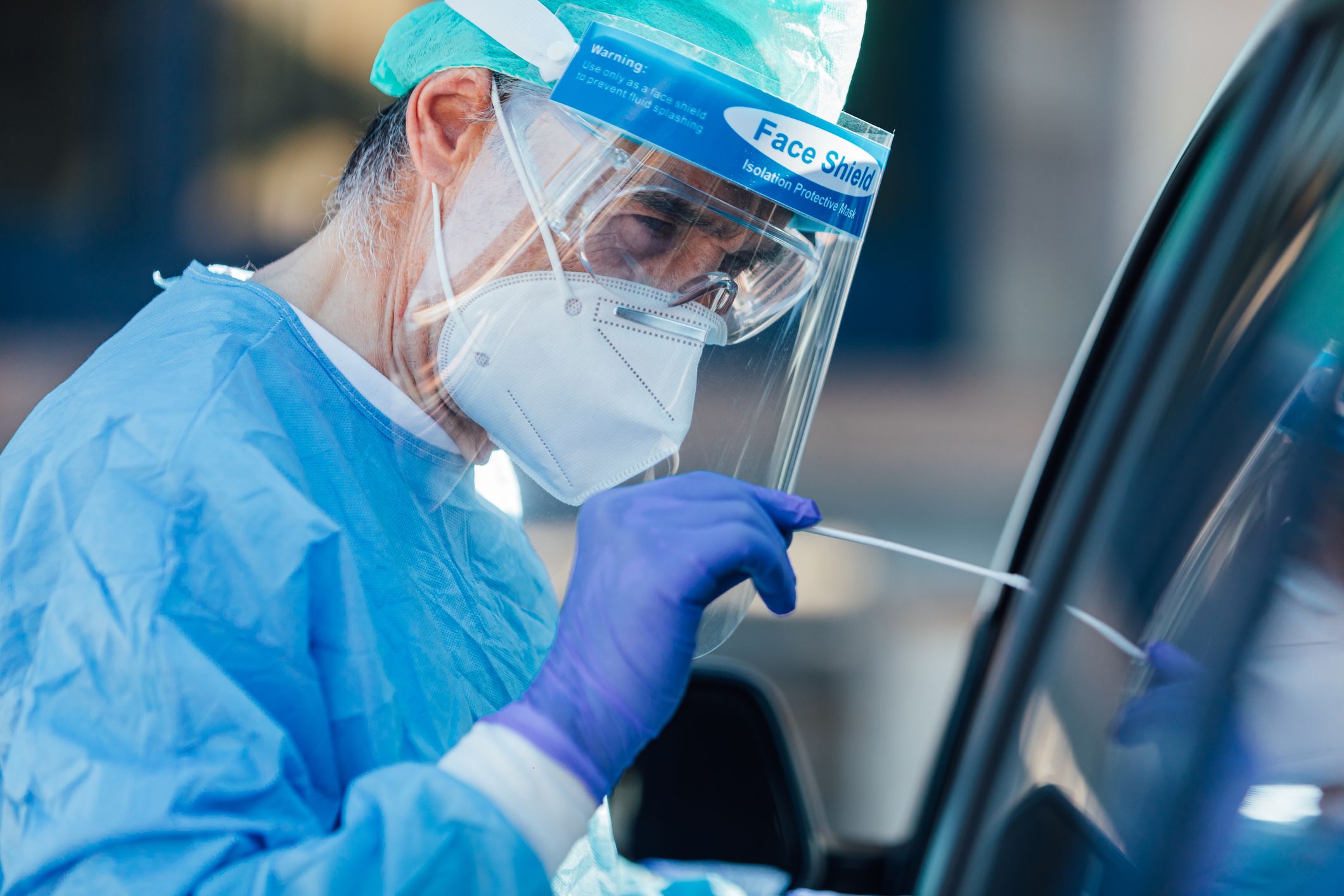
What is the most accurate coronavirus test? Why are there so many that have false results? How to prepare properly for it?
COVID-19 tests have become familiar and even routine for us. Despite this, the interpretation of the results, especially the antibody test, still raises a lot of questions.
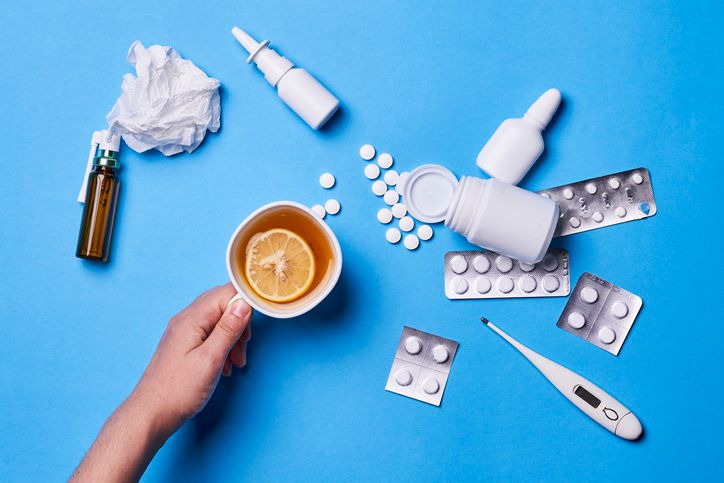
A fever is a frequent phenomenon that signals a problem in the body. Some people prefer to let the immune system fight it, while others begin to worry after even a slight increase in temperature. What should you know about fevers and rising temperatures?

"Me enfermé de COVID-19 y ahora apenas puedo caminar". "Me falta el aire, incluso al subir al segundo piso". "No puedo hacer ningún tipo de ejercicio". "Después de haber tenido el coronavirus, siempre estoy de mal humor". Estos son algunos de los comentarios de la mayoría de las personas que han padecido coronavirus, incluso de forma leve. ¿Por qué ocurre esto y cómo recuperarse lo antes posible?
This is a question that many people who have had the COVID-19 virus ask themselves. If yes, how much time should pass between having the virus and getting vaccinated? If I don't get vaccinated, will I fall ill again? Let's take a look at how to handle this situation.
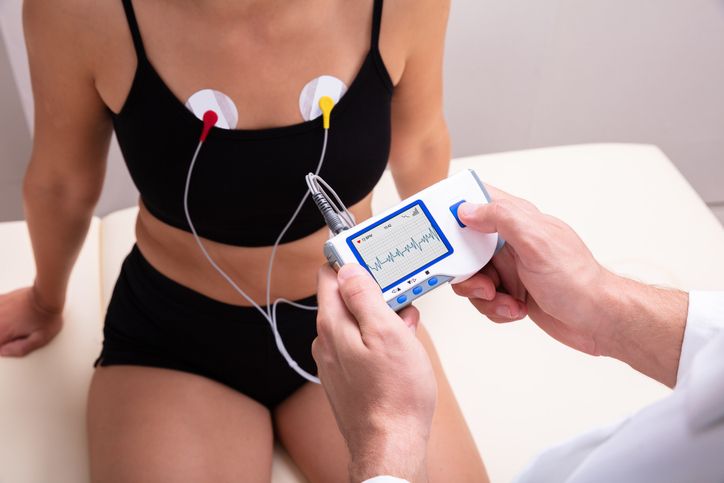
Incluso cuando el COVID-19 pasa de forma leve, muchos enfermos se quejan de complicaciones tras la enfermedad. Una de las más comunes son los trastornos del sistema cardiovascular.
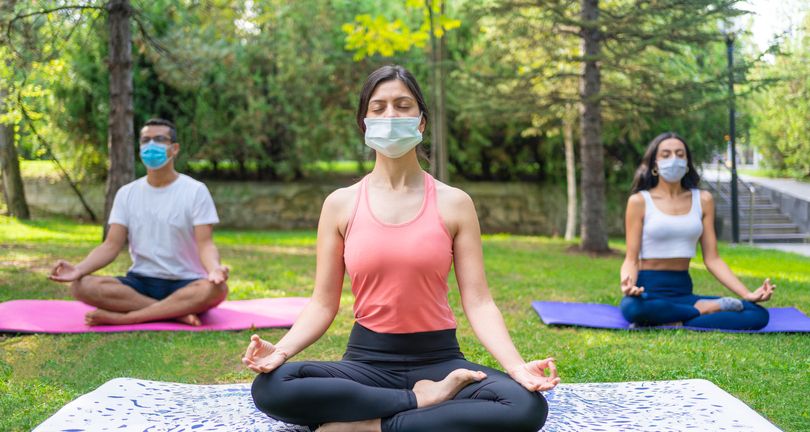
El COVID-19 se convierte a menudo en una prueba difícil, no solo durante la fase aguda de la enfermedad, sino también durante el período de recuperación. Las personas acostumbradas a un ritmo rápido deben recordar volver a sus actividades previas de forma gradual, aumentando suavemente la carga.
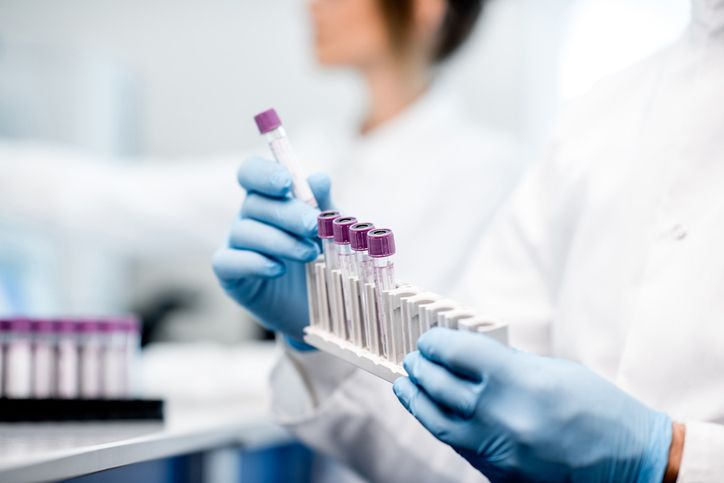
At the end of November, a new strain of COVID-19 called Omicron appeared in South Africa. On December 1st, the first case in the U.S. was detected in California. How much more dangerous is it than the other strains we know about? And how can we prepare for it?
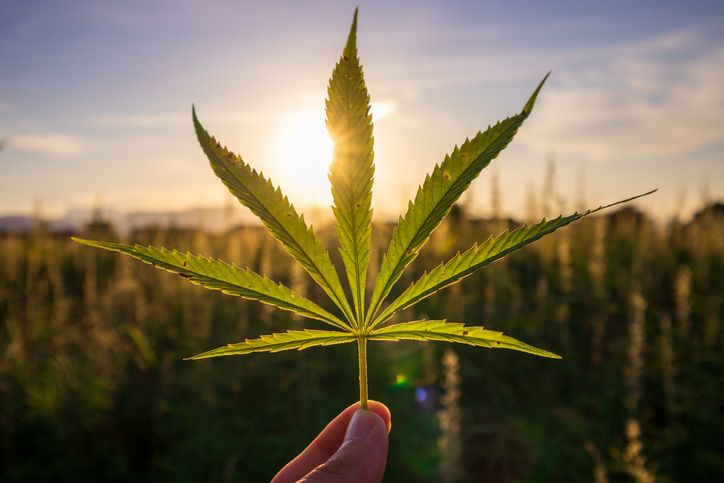
Los científicos han identificado recientemente componentes en el cannabis que pueden impedir que el COVID-19 entre en las células humanas.
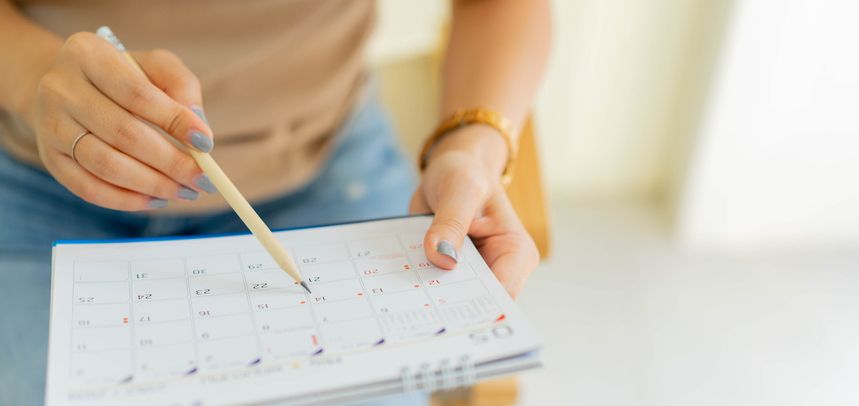
Many people have decided to get vaccinated against COVID-19. If you are one of them, here are some tips to keep in mind.
It has been noted that COVID-19 and acute respiratory infections have some of the same symptoms. Let’s compare them to understand what the differences are.
Scientists at the University of Maryland School of Medicine have developed two tests for coronavirus that are comparable in accuracy to tests used in laboratories. The results can be obtained in 5 minutes.