

Have you ever struggled to remember a simple word? Do you regularly forget where you put your keys? Is it sometimes difficult to concentrate? These can all happen due to overwork and stress, or it can be a signal that it is time to take care of your brain.
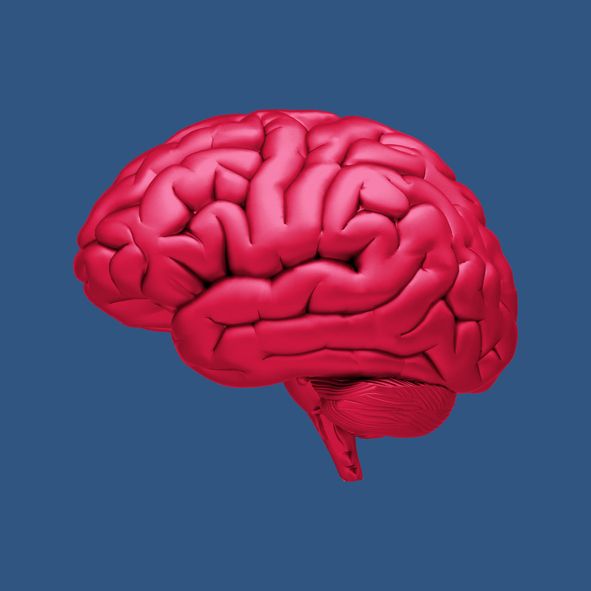
It is not only muscles that need to be trained. The brain, just like muscles, develops only through action. And the more "pumped up" the brain is, the easier it is to capture and assimilate information. Brain fitness is called neurobics.
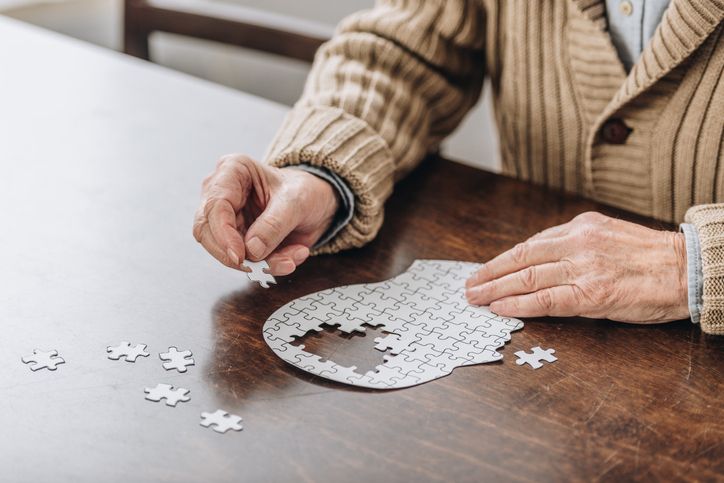
Scientists at Kaunas University of Technology (KTU) in Lithuania have developed a method that can predict the possible onset of Alzheimer's disease with almost one hundred percent accuracy.
Johns Hopkins University School of Medicine has presented the results of a study proving that bilirubin plays a role in protecting brain cells from damage due to oxidative stress.
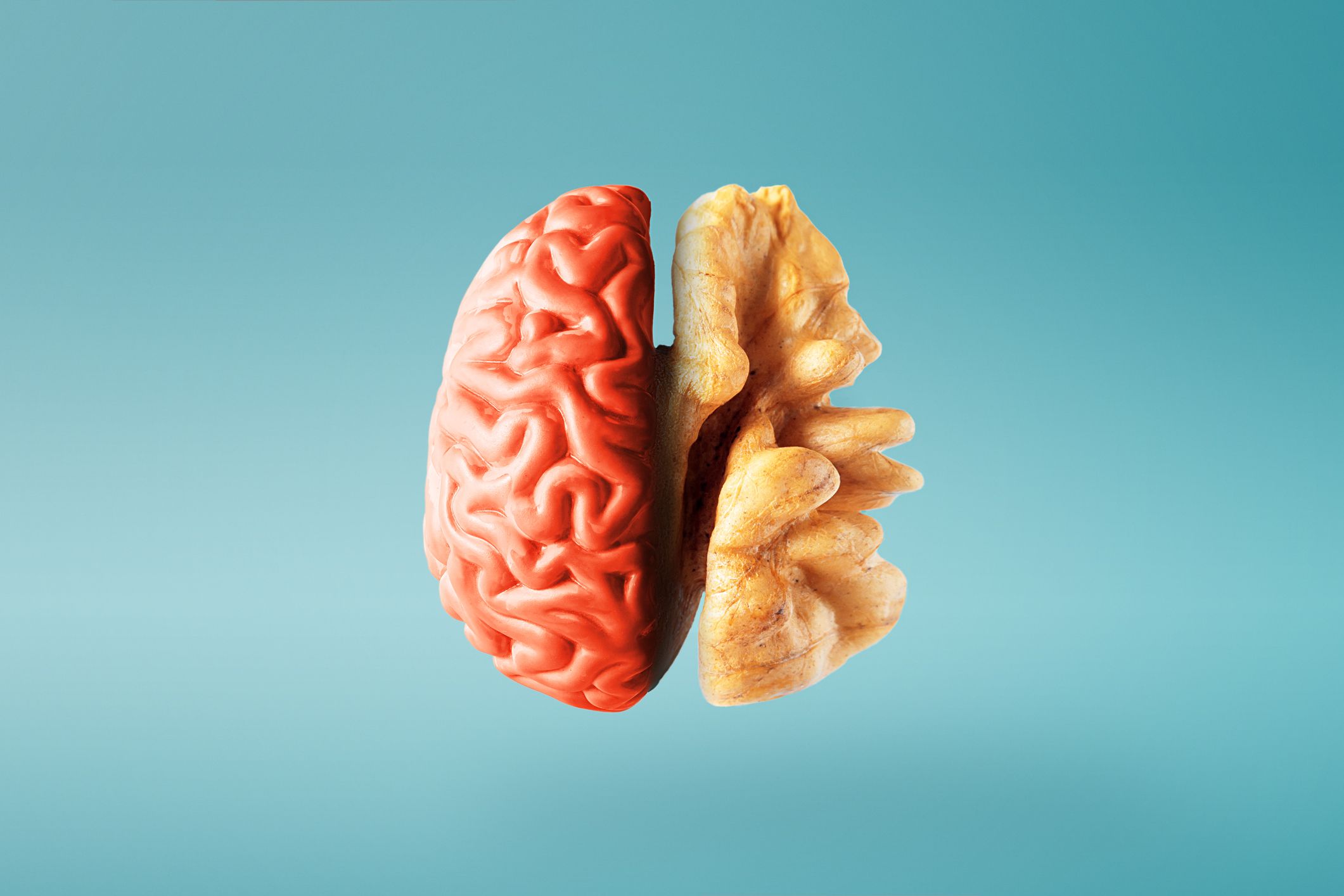
Se ha demostrado que los alimentos que contienen ciertos nutrientes pueden mejorar nuestras funciones cognitivas y reducir el riesgo de enfermedades cerebrales degenerativas, incluida la enfermedad de Alzheimer. ¿Qué debe comer para que su mente funcione adecuadamente?

The international project Global Burden Diseases (GBD) published a study that found 10.3 million cases of stroke are registered annually in the world, of which 6.5 million end up being fatal. Who is at risk and can the risk be reduced?
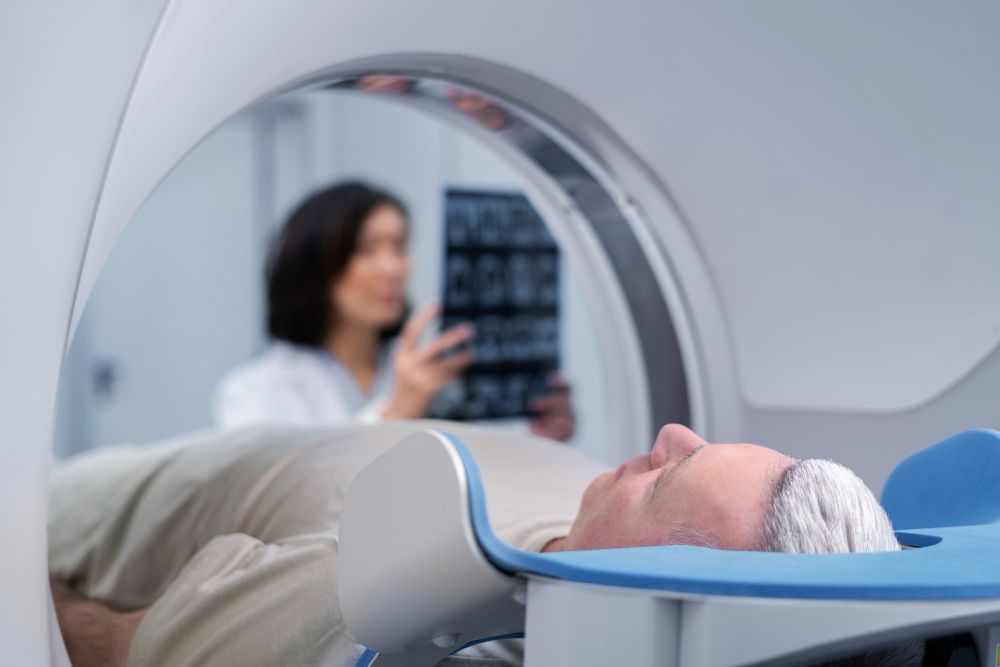
Un simple checkup le ayuda a revisar la salud de sus riñones o su corazón. Pero, ¿qué hay del cerebro?
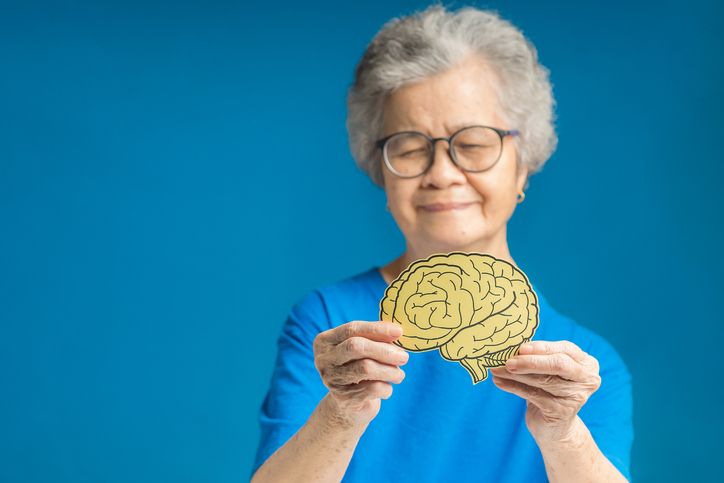
Creemos que nuestro cerebro es una fuente confiable de información, pero no es así. Los recuerdos pueden distorsionarse por diversas razones, lo que en repetidas ocasiones ha provocado consecuencias desafortunadas. Por ejemplo, al considerar el testimonio de un testigo ante un tribunal. Una nueva investigación llevada a cabo por Adam Albi y Peter Paikossy, de la Universidad de Tecnología y Economía de Budapest, ha demostrado que existe una forma objetiva de medir la fiabilidad de los recuerdos de una persona simplemente observando la respuesta de sus pupilas.