


Even during a pandemic, people are not ready to give up travel. Exotic destinations such as Brazil, Dominican Republic, Cuba, Sri Lanka, Mexico, Tanzania, Ethiopia, Kenya, and South Africa are open for tourists. If you go to these countries—especially countries in Africa—you can face dangerous infections, and vaccinations can help protect you.

Aedes aegypti mosquitoes live in a tropical climate and carry dangerous diseases such as dengue fever and the Zika virus. Annually, $1 million USD is budgeted to combat malevolent mosquitoes. The new development by the biotech company Oxitec, which has created genetically modified mosquitoes, will cost less and be more effective. This is an important development because mosquitoes become pesticide-resistant over time.

Because of the COVID-19 pandemic, we seem to have forgotten that there are other, albeit less dangerous, unpleasant viruses in the world. They are especially active during the transitional seasons—autumn and spring. Why do we catch colds so often during this period, and how do we recover as quickly as possible?

Everyone has encountered the human papillomavirus (HPV) in one way or another. Thanks to today’s vaccines, it is possible to avoid the unpleasant consequences of this infection. In this article we will explain who needs to be vaccinated, when they should be vaccinated, and which vaccine to choose.

With the rise of coronavirus, almost everyone has heard about the PCR method, but most people don’t understand exactly why this method is used and why it is better than a blood test.

Cold sores or fever blisters can ruin your mood and appearance for a week or more. Where do they come from, and how do you deal with them?

According to the National Cancer Institute of the United States, there are approximately 200 different types of HPV. The virus may remain latent for many years and can suddenly reactivate, causing significant health damage. We have answered some of the most frequently asked questions about HPV.

All types of hepatitis can seriously damage the liver. The cunning nature of the disease means that it is not always possible to diagnose it at an early stage before serious damage is done. Here is what you should watch out for.

There are approximately 25 million new rotavirus infections per year in both developed and undeveloped countries around the world. About 3 percent of them are fatal. Most often, this happens to children during the first year of life. Therefore, it is important not to underestimate the danger of this disease and provide proper medical care to those infected.

The number of cases of monkeypox infection is growing and causes understandable concern. Let’s answer some of the questions that people have about this virus.

The Royal Institute of Technology in Stockholm has developed a synthetic gel for protection against HIV and genital herpes, based on cow mucin — containing mucin. Laboratory tests have shown that the innovative product is 70 % effective against HIV and 80 % effective against herpes.
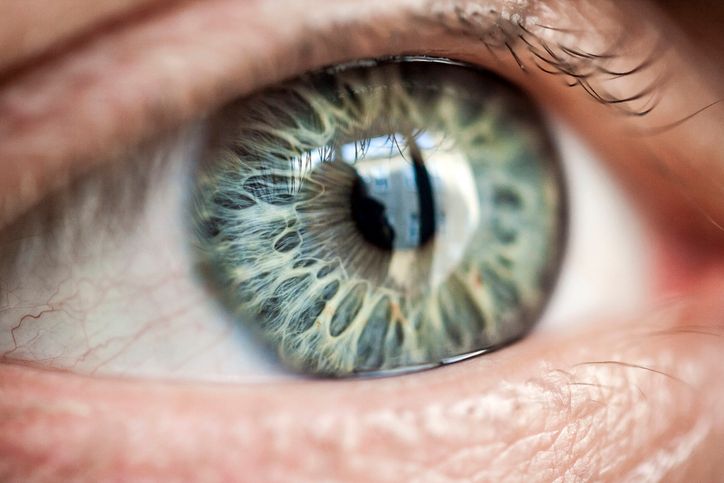
Many believe that inflammation of the eyes is a phenomenon common only to kids at the playground. However, this is not true. Conjunctivitis is not something that you can get over once in your childhood. It's much more serious!

If you thought that herpes was just a "cold" on the lips, then think again! There are 8 types of cold sores affecting the skin, nervous and immune systems that can cause disease. How can you detect and neutralize them in time?

The statistics look scary: millions of the world's population are infected with this type of herpes. Where does this virus come from and can we get rid of it?

Those who often catch a cold but don't get too sick and recover on their own do not necessarily have weak immunity. If you are interested in finding out how to recognize the signs of weak immunity and what you can do about it, keep reading.

Pets get sick, just like humans. Let’s look at which of the diseases can be dangerous for owners.

Where is the line between "infected" and "not infected"? What affects the minimum level of infection, after which the virus breaks through the immune defense? Let's look into the question using COVID-19 as an example: why do some people not become infected with the disease, while others are infected and need to be hospitalized?

Hepatitis is the general name for acute and chronic liver inflammation of various origins. When hepatitis is detected, the letter added to the disease name can significantly affect your life.

We usually associate the term "vaccination" with children's healthcare. For example, in the U.S., most people get vaccinated against rotavirus, hepatitis A, hepatitis B, chickenpox, pneumonia, meningitis, diphtheria, tetanus, pertussis, measles, Haemophilus influenza, rubella, polio, mumps, papillomavirus and influenza by the age of 16. However, there is a whole range of vaccines recommended to people in adulthood.

As the world continues to recover from COVID-19, there is alarming news from Japan about a disease caused by a "flesh-eating bacterium".

Living in a big city has many benefits. However, city dwellers live in an unfavorable environment due to high population density, exhaust fumes, and waste from industrial enterprises. This increases the risk of developing health problems. What are the risk factors, and how can they be reduced?

Measles is a highly contagious disease caused by the Morbillivirus. And despite the fact that most people are immunized in infancy, the world is now experiencing a record incidence of the disease.