


According to the World Health Organization (WHO), 48 vaccines have been tested in different countries, with 11 passing through to phase III of trials. Meanwhile, another 164 alternative vaccines are passing preclinical testing.

Any viral infection, whether it is ARVI or temperature, changes the human immune system. People who have had COVID-19 claim that after the disease they began to notice a constant loss of strength, decreased performance, lethargy, deterioration of mood, headaches, shortness of breath during exercise, and exacerbation of chronic diseases. What vitamins should be taken to "invigorate" the immune system after COVID-19?
COVID-19 is a dangerous disease due to its unpredictability. Its influence on the course of pregnancy and the health of the child has not yet been studied well enough. And yet—some data is already there, and it looks optimistic.
The symptoms of COVID-19 in children can be easy to miss since many children don't show any symptoms. How seriously can COVID-19 affect children?

The focus of attention is now on the pandemic, which scares people. People watch the news and immediately think "I could get sick,” or “I could die.” How to shift the focus?

The first complaints of hair loss from patients with COVID-19 date back to summer 2020. People claimed to lose whole strands and lose up to one-third of their hair. Initially, these claims were not paid much attention, but over time it became clear how widespread the issue is.

During the COVID-19 pandemic, there has been a lot of talk about the importance of a strong immune system. But can it be strengthened with vitamins and supplements? And does it make sense to take them during an illness?

With the rise of coronavirus, almost everyone has heard about the PCR method, but most people don’t understand exactly why this method is used and why it is better than a blood test.

Das Coronavirus ist in seiner Unvorhersehbarkeit heimtückisch. Selbst wenn Sie es gehabt haben und denken, dass Sie sich wieder erholt haben, kann es sein, dass dies noch nicht der Fall ist. Die Rehabilitationszeit kann von einem Monat bis zu einem Jahr betragen. Alle lebenswichtigen Systeme sind betroffen: Nerven-, Atmungs-, Herz-Kreislauf- und Harnwege sowie Haut und Haare. Das erste, was man tun sollte, ist eine Untersuchung des Körpers nach der Erkrankung.

When Covid-19 became a universal threat, vaccines were developed. The problem seemed to be solved. However, there is a lot of information surrounding vaccines, which makes some hesitant to get them. Let’s look at the risks associated with the vaccine and why some people are hesitant to get it?
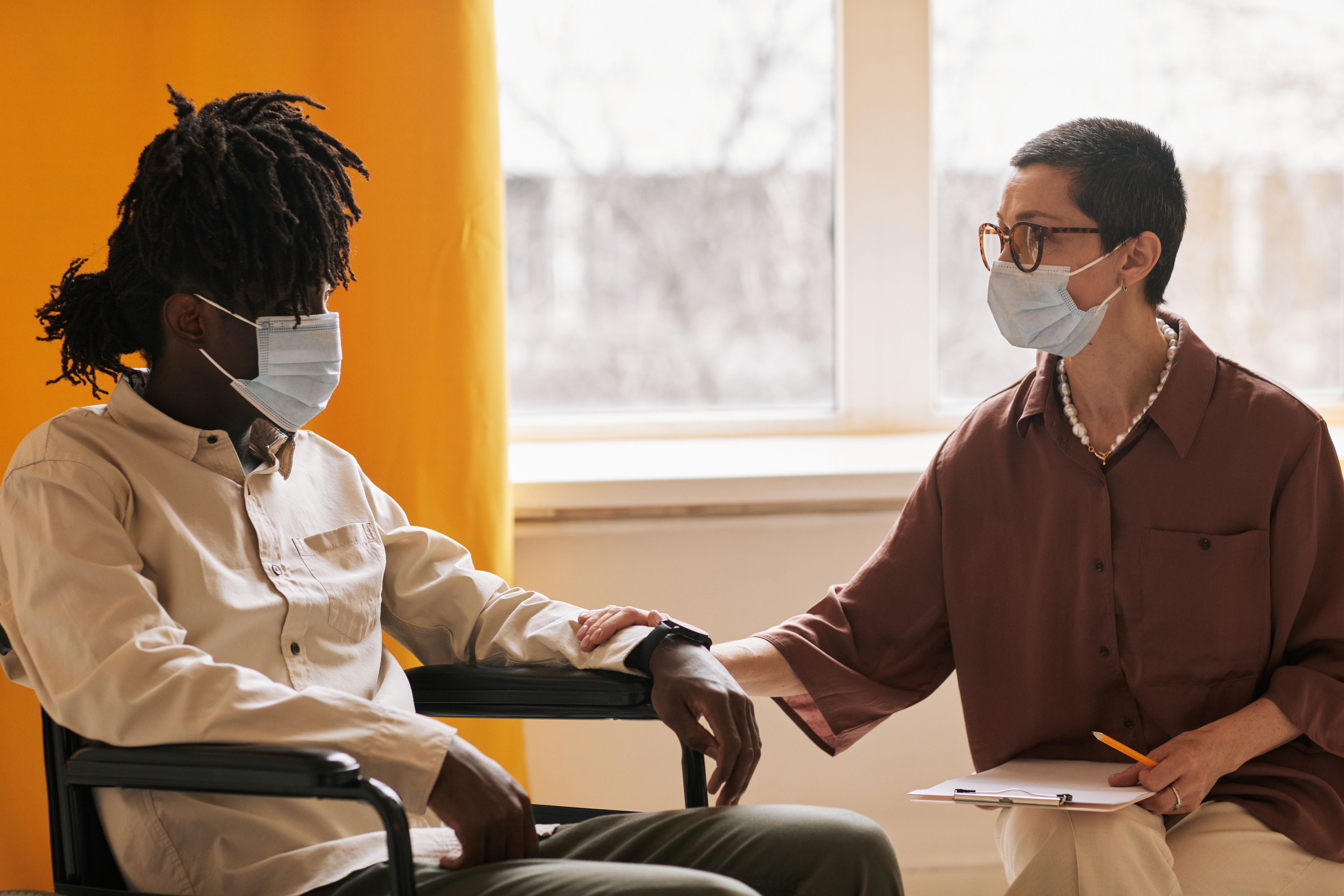
Research data on the impact of COVID-19 on mental health suggest that during the pandemic there was an increase in eating disorders and depression, alcohol and drug use, divorce, domestic violence, and suicide. Now that the worst is seemingly behind us, many people are experiencing some sort of PTSD. So how does it manifest itself?

Almost everybody learned the name of this test when the Covid-19 pandemic started. Why is it necessary for all patients who had coronavirus to take this test? What other health conditions might require it?

It would seem that taking a person’s temperature is very easy, right? However, it isn’t always! To get the correct information, you need to follow these simple but important rules.

What is the most accurate coronavirus test? Why are there so many that have false results? How to prepare properly for it?

COVID-19 tests have become familiar and even routine for us. Despite this, the interpretation of the results, especially the antibody test, still raises a lot of questions.

A fever is a frequent phenomenon that signals a problem in the body. Some people prefer to let the immune system fight it, while others begin to worry after even a slight increase in temperature. What should you know about fevers and rising temperatures?

"Ich bin an Covid-19 erkrankt und kann jetzt kaum noch gehen." "Ich kriege kaum Luft, sogar wenn ich in den zweiten Stock gehe." "Ich kann keinen Sport treiben." "Nachdem ich das Coronavirus hatte, bin ich immer schlecht gelaunt." Diese und andere Klagen kommen von fast allen, die sich mit dem Coronavirus infiziert haben, auch wenn es nur eine leichte Form ist. Warum ist das so und wie kann man sich so schnell wie möglich davon erholen?

This is a question that many people who have had the COVID-19 virus ask themselves. If yes, how much time should pass between having the virus and getting vaccinated? If I don't get vaccinated, will I fall ill again? Let's take a look at how to handle this situation.

Even when COVID-19 passes in a mild form, many sufferers complain about complications after the disease. One of the most common is disorders of the cardiovascular system.

COVID-19 wird oft zu einem schwierigen Test, nicht nur in der akuten Phase der Krankheit, sondern auch in der Erholungsphase. Menschen, die an ein schnelles Tempo gewöhnt sind, müssen daran denken, allmählich zu ihren früheren Aktivitäten zurückzukehren und die Belastung sanft zu steigern.

Ende November tauchte in Südafrika ein neuer Coronavirus-Stamm, Omicron, auf. Wie viel gefährlicher und beängstigender ist er? Und worauf sollten wir uns vorbereiten, wenn er uns erreicht?

Wissenschaftler haben kürzlich Bestandteile in Cannabis identifiziert, die verhindern können, dass COVID-19 in menschliche Zellen eindringt.

Many people have decided to get vaccinated against COVID-19. If you are one of them, here are some tips to keep in mind.

It has been noted that COVID-19 and acute respiratory infections have some of the same symptoms. Let’s compare them to understand what the differences are.

Scientists at the University of Maryland School of Medicine have developed two tests for coronavirus that are comparable in accuracy to tests used in laboratories. The results can be obtained in 5 minutes.