

Articole despre #infectious diseases
25 de articole

The company Food Marble has developed a portable AIRE breath tester that will help doctors diagnose and treat a digestive condition known as small intestinal bacterial overgrowth syndrome (SIBO).
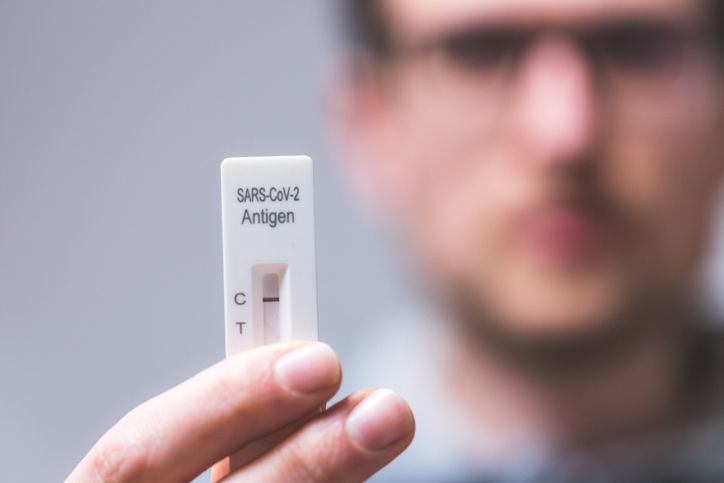
During the COVID-19 pandemic, there has been a lot of talk about the importance of a strong immune system. But can it be strengthened with vitamins and supplements? And does it make sense to take them during an illness?

This relatively safe children's disease is extremely serious in adults and can turn into a real tragedy if it infects a pregnant woman. Because of this, it is very important to catch the symptoms and stop the spread of the virus.

As soon as the annual flu season arrives, the virus spreads very quickly in schools and workplaces, which can cause an epidemic. Many who fall ill recover without complications in about 1-2 weeks. However, the flu often causes serious complications, so it's important to know as much as you can about it.

Many people believe that if you don't treat a cold, it will pass in seven days, and if you treat it then it will pass in a week. During this time, the body overcomes acute respiratory infections. Thankfully, there are ways to help the body speed up the healing process.

Initially, manicures were done for health benefits: long nails were trimmed to avoid breakage and for hygiene purposes. Today, manicures are primarily done for beauty and aesthetic purposes. Few people think about how manicures affect health.

The disappearance of the voice is most often associated with colds. However, there are other reasons that you may lose your voice — and some can be quite serious.

Swimming is one of the most useful and low-impact types of fitness. However, swimming pools themselves can be a high-risk area. For one, warm and humid environments tend to produce pathogens. Additionally, disinfection does not always work and does not protect against all issues. So what are the dangers?

There are two good reasons to get vaccinated: to protect yourself and to protect those around you who for some reason cannot get vaccinated. When we get a vaccine, our body learns to resist real viruses and bacteria to defend itself against them. What are common myths about vaccines?

Researchers have identified how natural human antibodies can block the entry of malaria parasites into red blood cells. This is a key step towards ending malaria in the world.

Is your nose constantly runny? Do you deal with congestion on a regular basis?This unpleasant condition is called "chronic sinusitis," and one out of ten people are affected by it.
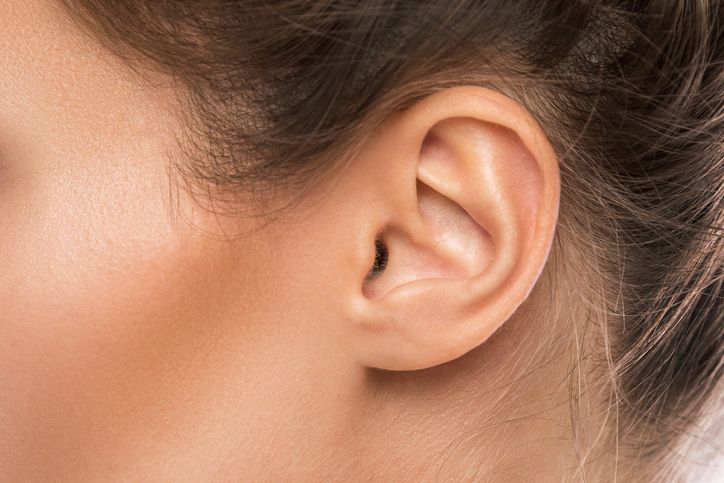
Inflammation of the ear is painful and causes extremely unpleasant complications. Here are some guidelines on how to handle it if you do get it.

Most of us like the transition from cold weather in the winter to warmer weather in the spring and summer. However, it is important to make sure your body acclimates well to changes in temperatures. This can also be important when traveling from a warm area to a cold one, or vice versa. How can you help your body do this, and how important is it?

A fever is a frequent phenomenon that signals a problem in the body. Some people prefer to let the immune system fight it, while others begin to worry after even a slight increase in temperature. What should you know about fevers and rising temperatures?

Almost everyone has heard of or had chickenpox in their lifetime. However, there are still some persistent myths about the disease.

The exact causes of chronic fatigue syndrome (CFS) are still unknown, which has become a challenge for researchers worldwide. Scientists from California recently put forward the theory that CFS may be the result of infection with enteroviruses.

Many people believe that a cold will pass in seven days, regardless of whether you treat it. But what should you do if you still have a cold after one week?

Pets get sick, just like humans. Let’s look at which of the diseases can be dangerous for owners.

It is generally accepted that a normal body temperature is 98.6 °F. From time to time, your body temperature may change. Let’s look at what an elevated temperature could mean.

Where is the line between "infected" and "not infected"? What affects the minimum level of infection, after which the virus breaks through the immune defense? Let's look into the question using COVID-19 as an example: why do some people not become infected with the disease, while others are infected and need to be hospitalized?

Many people, when they get sick, immediately want to turn to antibiotics to get better faster. Why is this a big mistake?

The main task of immunity is the elimination of the enemy or own infected cells. It should not react to healthy ones. When this happens, an autoimmune disease occurs, and the body essentially begins to fight itself.

Thanks to the airplane, we can quickly travel from point A to point B for business and leisure. However, despite the many advantages of flying, there are certain health risks to keep in mind. Let’s look at some potential health conditions to be aware of when flying.

Inflammation is the body's defense reaction to viruses, diseases, or injuries. Examples include when a cut finger becomes red and swollen, and when a cold becomes a cough. These reactions indicate short-term acute inflammation and that immune cells are fighting the infection. However, inflammation can become chronic, lasting months, years, or even a lifetime.

As the world continues to recover from COVID-19, there is alarming news from Japan about a disease caused by a "flesh-eating bacterium".