


What Is Pseudoallergy — And How Is It Different From Allergy?
Approximately half of the world's population live with allergies. Those who want to keep this disorder under control should know exactly if they actually have an allergy and what causes the reaction.
Puntos clave
- Approximately half of the world's population live with allergies.
- How do you know if you have an allergy?
- It might not be real!
Para quién es
Personas que exploran Alergia a través de alergia, diagnostics.
Por qué importa
Este artículo te ayuda a orientarte rápidamente y luego avanzar a una colección o serie si quieres seguir profundizando.
Dra. Madina
Seguir leyendo
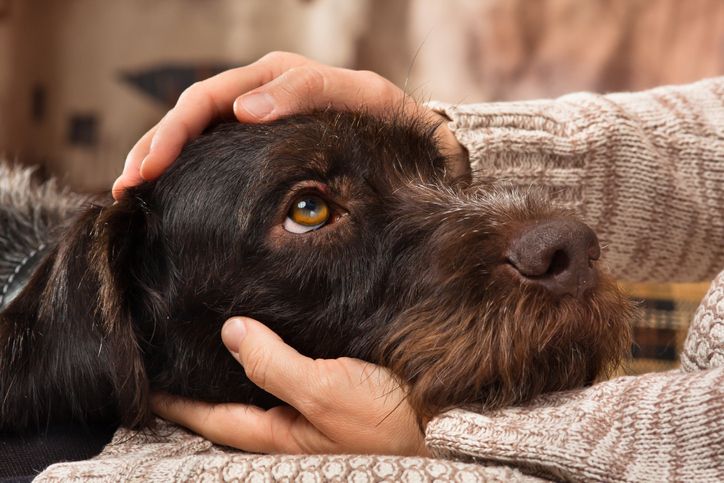
How Do You Know if You Are Allergic to Dogs?
Some people buy a dog and then find out within a month that members of their family are allergic to it. This is an unfortunate scenario, but it does happen. If you are buying a dog for the first time, you must first make sure that all family members will be able to live with the dog under one roof.
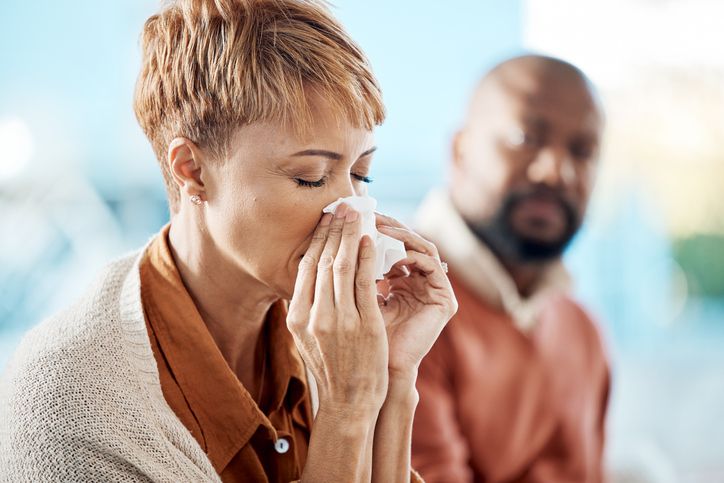
Allergies or Colds? Looking for the Cause of Runny Nose
If you have a stuffy nose, the first thing you think of is a cold, and, of course, you start to treat it intensively. The problem is that a runny nose can be caused by a completely different reason ‒ for example, allergies. In the case of allergies, sprays and drops will not help.

Blood Transfusion for Premature Babies: A New Perspective
The largest randomized clinical trial on blood transfusion to premature babies was completed by Dr. Haresh Kirpalani of the University of Pennsylvania, Dr. Edward Bell of the University of Iowa, and colleagues from the Neonatal Research Network, including Dr. Rosemary Higgins of the George Mason University College of Health and Human Services. The study was published in the New England Journal of Medicine. To date, this is the most ambitious research in the world that examines blood transfusion in premature babies.

Revisión post-COVID: ¿qué se debe revisar?
El coronavirus es insidioso por su imprevisibilidad. Incluso si usted lo ha padecido y cree que se ha recuperado, puede no ser el caso. El periodo de rehabilitación puede ser de un mes a un año. Todos los sistemas vitales se ven afectados: nervioso, respiratorio, cardiovascular, urinario, así como la piel y el cabello. Lo primero que hay que hacer es una revisión corporal completa después del COVID.
Instala Ornament para no solo leer estos artículos, sino también hacer seguimiento de tu salud, guardar resultados de análisis y acceder a otras funciones útiles