


Currently, three COVID-19 vaccines have been approved in Russia: Sputnik V, EpiVacCorona, and Covivac. This naturally raises the question: which vaccine should you choose? Let’s take a closer look at the specifics, efficacy, and potential side effects of each vaccine.

Any viral infection, whether it is ARVI or temperature, changes the human immune system. People who have had COVID-19 claim that after the disease they began to notice a constant loss of strength, decreased performance, lethargy, deterioration of mood, headaches, shortness of breath during exercise, and exacerbation of chronic diseases. What vitamins should be taken to "invigorate" the immune system after COVID-19?

The coronavirus is insidious in its unpredictability. Even if you have had it and think you have recovered, it may not be the case. The rehabilitation period can be from one month up to a year. All vital systems are hit: nervous, respiratory, cardiovascular, urinary, as well as skin and hair. The first thing to start with is a post-Covid check-up of the body.

When Covid-19 became a universal threat, vaccines were developed. The problem seemed to be solved. However, there is a lot of information surrounding vaccines, which makes some hesitant to get them. Let’s look at the risks associated with the vaccine and why some people are hesitant to get it?
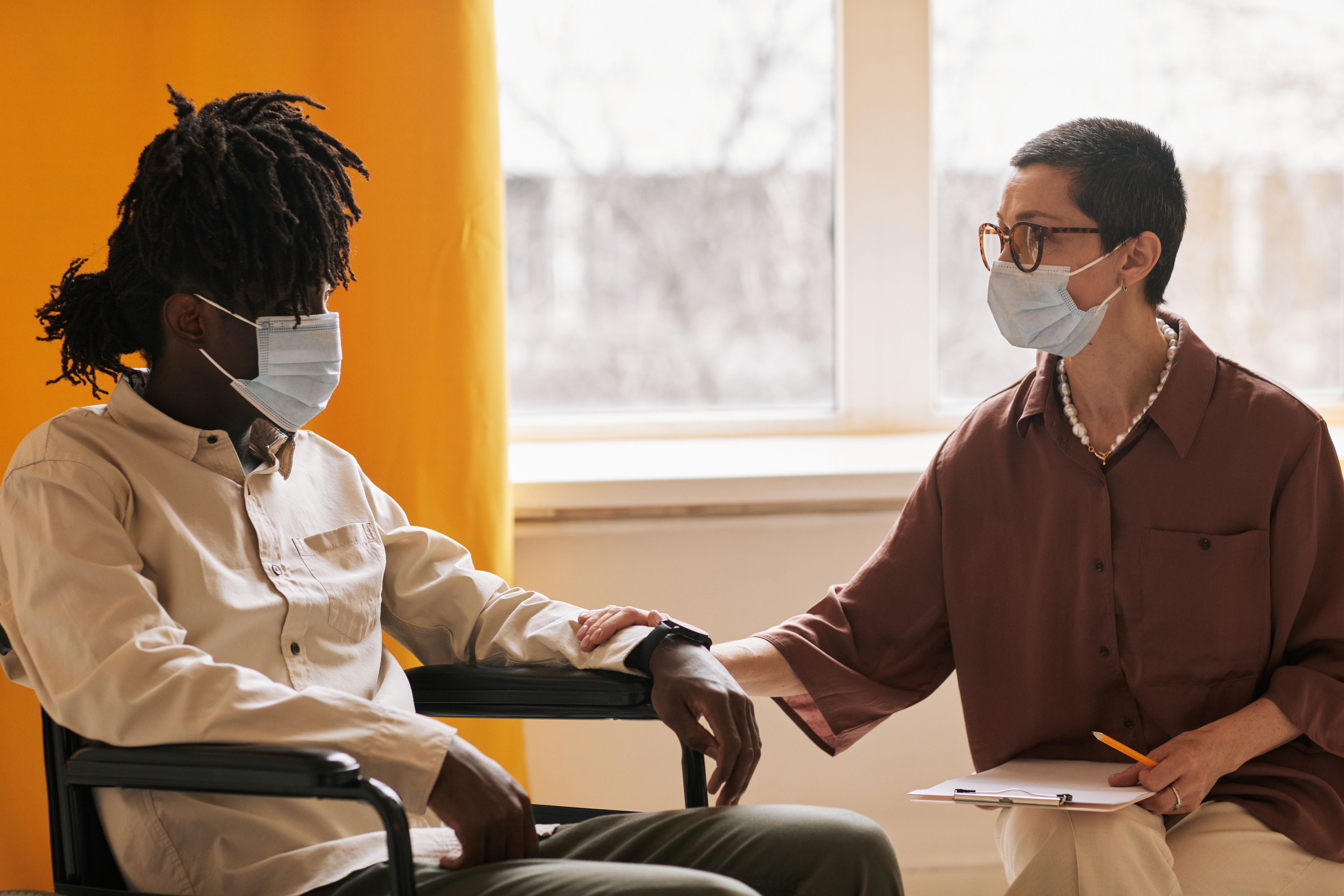
Research data on the impact of COVID-19 on mental health suggest that during the pandemic there was an increase in eating disorders and depression, alcohol and drug use, divorce, domestic violence, and suicide. Now that the worst is seemingly behind us, many people are experiencing some sort of PTSD. So how does it manifest itself?

"I got sick with Covid-19 and now I can hardly walk". "I am short of breath, even when going up to the second floor". “I cannot do any exercising”. "After I had coronavirus I am always in a bad mood". These and other complaints from almost everyone who had coronavirus, even in a mild form. Why is this happening and how to recover as quickly as possible?

This is a question that many people who have had the COVID-19 virus ask themselves. If yes, how much time should pass between having the virus and getting vaccinated? If I don't get vaccinated, will I fall ill again? Let's take a look at how to handle this situation.

Even when COVID-19 passes in a mild form, many sufferers complain about complications after the disease. One of the most common is disorders of the cardiovascular system.

COVID-19 often becomes a difficult test, not only during the acute phase of the disease but also during the recovery period. People accustomed to a fast pace need to remember to return to previous activities gradually, gently increasing the load.

At the end of November, a new strain of COVID-19 called Omicron appeared in South Africa. On December 1st, the first case in the U.S. was detected in California. How much more dangerous is it than the other strains we know about? And how can we prepare for it?

Many people have decided to get vaccinated against COVID-19. If you are one of them, here are some tips to keep in mind.

Scientists all over the world are joining forces in the fight against COVID-19. Here are some more details about the most promising discoveries.

The developers of this experimental vaccine report that it has the potential to protect from all COVID-19 strains. It is estimated that the vaccine could cost less than $1 USD per dose.

The cold season activates viruses, including COVID-19. Since the end of August, the number of COVID-19 cases has started to grow in the world, and a new strain "pirola" has appeared in a number of countries. Should we be afraid of it?

COVID-19 affects all systems and organs. Although we often hear about the respiratory, immune, and cardiovascular systems, the gastrointestinal organs are affected just as much — especially the liver.

Where is the line between "infected" and "not infected"? What affects the minimum level of infection, after which the virus breaks through the immune defense? Let's look into the question using COVID-19 as an example: why do some people not become infected with the disease, while others are infected and need to be hospitalized?

Myocardial infarction is caused by a blockage in an artery leading to the heart. Factors that can lead to this include high cholesterol and blood pressure, smoking, being overweight, low physical activity, and diabetes. However, heart attacks can have other triggers that are much less obvious. Let’s take a look at some of them.