


The risk of death from a heart attack was found to be almost equal in patients with severely elevated thyroxine levels and those whose levels were normal but closer to the upper limit.

Today, heart attacks in women who have not yet entered menopause are happening more often. However, the symptoms may differ from the classic heart attack — which makes diagnosis very difficult. What should be alarming?

People who have had a heart attack often think that their "normal" life is over and that they have only pills and various restrictions ahead of them. Is this true? And what can they expect after they leave the hospital?

It may seem that measuring blood pressure is a piece of cake, but most people do it incorrectly and therefore get incorrect results.

Most health screening recommendations are based on averages. Researchers at the Boston Clinic have set a more ambitious goal: generating a risk map based on gene testing for each individual.

It is commonly believed that heart problems occur more often in men than in women. However, according to the American Heart Association, today heart problems occur equally between men and women. At the same time, diseases of the cardiovascular system develop differently in people of different genders. So what are the characteristics of the woman’s heart?

Many people see a cardiologist for the first time after experiencing a heart attack. But as a rule, heart problems begin much earlier. How can you recognize the signs of heart issues in time?

Biochemistry professor Carlos Fernandez-Patron and PhD candidate Hasan Sarker of the University of Alberta, Canada, have shed light on the role of fibrinogen in regulating the body's natural defense mechanisms.
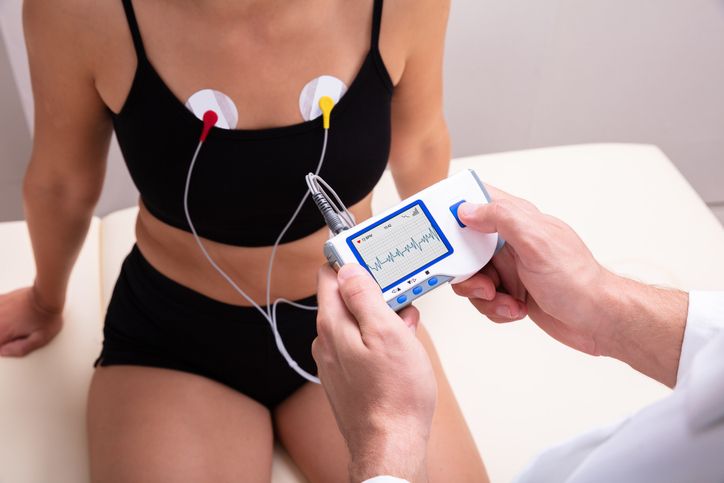
Even when COVID-19 passes in a mild form, many sufferers complain about complications after the disease. One of the most common is disorders of the cardiovascular system.

Sharp pain in the sternum, choking, panic, and confusion: these heart attack signs are difficult to miss. However, the first bells often go off months before a heart attack, and people just write them off as extraneous causes. What heart attack symptoms should you pay attention to?

A heart attack can happen unexpectedly at any age. Men aged over 45 and women after 55 years are at higher risk. So, how should you act if you witness a heart attack and want to help (without doing any harm)?

Engineers at the University of California, San Diego have developed a powerful ultrasound sensor system for visualizing the heart, which works even during active movement.

Age 40 is a critical age for men's health. What is the reason for this and is there a real cause for alarm?

Myocardial infarction is caused by a blockage in an artery leading to the heart. Factors that can lead to this include high cholesterol and blood pressure, smoking, being overweight, low physical activity, and diabetes. However, heart attacks can have other triggers that are much less obvious. Let’s take a look at some of them.

Arrhythmia is a generic name for a variety of heart rhythm disorders, some of which can pose serious health risks. The good news is that today there are many control strategies available to allow people with arrhythmias to lead full lives.

What is difficult about taking a cholesterol test? You just need to get labs done and receive the result a day later. In general, the test works that way, yet there are nuances to understand.

Despite the well-known harmful effects of alcohol, even doctors recognize that it can also have positive effects on the body. Let’s find out the pros and cons of popular types of alcoholic beverages.

Cardiovascular diseases remain the most common health issue worldwide. However, new innovative treatments emerge every year, allowing people with heart conditions to manage their illnesses effectively and lead fulfilling lives. How do modern technologies assist doctors, and what problems do they help solve?
Statins are necessary for some cardiovascular issues. Unfortunately, however, these drugs have side effects that you need to be prepared for. Let's look at the side effects and how to deal with them.
Cardiovascular diseases are the leading cause of death worldwide. However, unlike many other illnesses, they can often be prevented — especially if detected early, treated promptly, and managed with appropriate lifestyle changes. A new test aims to make that possible.