

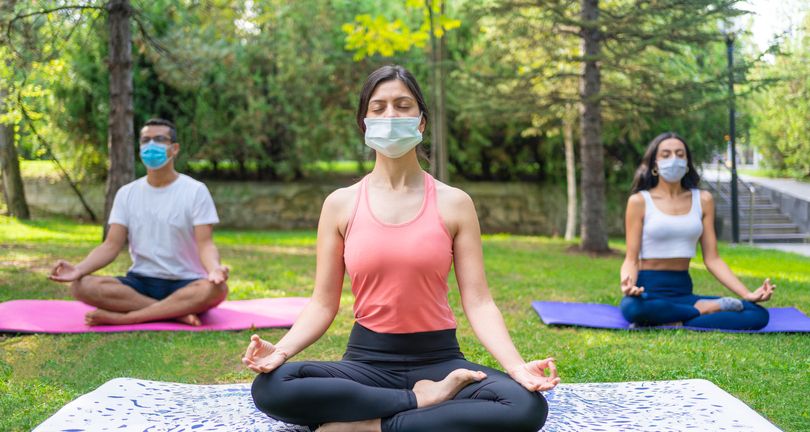
COVID-19 often becomes a difficult test, not only during the acute phase of the disease but also during the recovery period. People accustomed to a fast pace need to remember to return to previous activities gradually, gently increasing the load.
At the end of November, a new strain of COVID-19 called Omicron appeared in South Africa. On December 1st, the first case in the U.S. was detected in California. How much more dangerous is it than the other strains we know about? And how can we prepare for it?
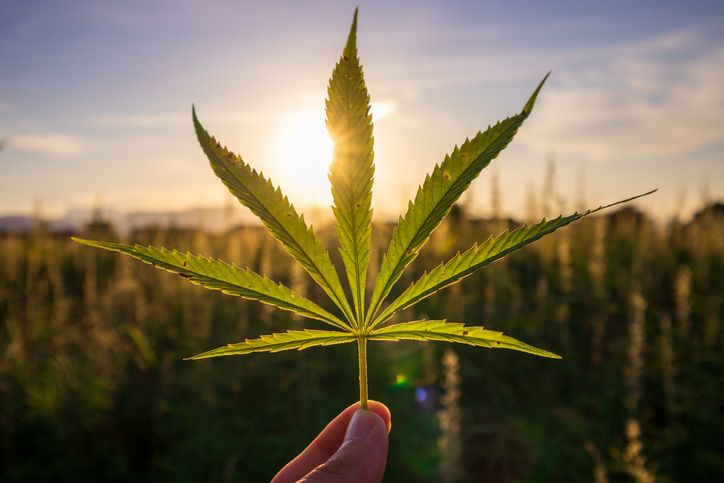
Scientists have recently identified components in cannabis that can prevent COVID-19 from entering human cells.

Many people have decided to get vaccinated against COVID-19. If you are one of them, here are some tips to keep in mind.
It has been noted that COVID-19 and acute respiratory infections have some of the same symptoms. Let’s compare them to understand what the differences are.

Scientists at the University of Maryland School of Medicine have developed two tests for coronavirus that are comparable in accuracy to tests used in laboratories. The results can be obtained in 5 minutes.
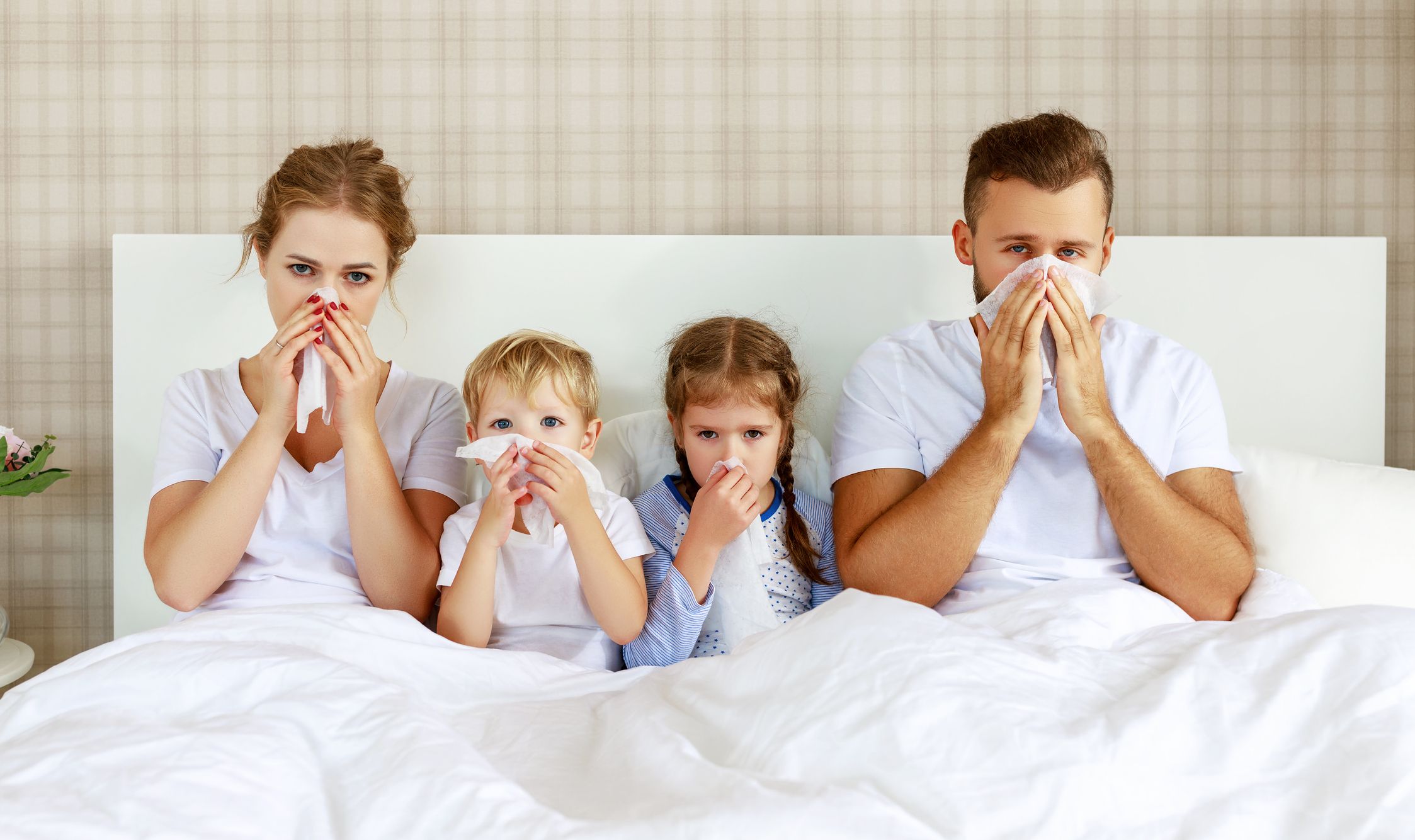
The cold season activates viruses, including COVID-19. Since the end of August, the number of COVID-19 cases has started to grow in the world, and a new strain "pirola" has appeared in a number of countries. Should we be afraid of it?

COVID-19 affects all systems and organs. Although we often hear about the respiratory, immune, and cardiovascular systems, the gastrointestinal organs are affected just as much — especially the liver.