


The ambitious project started with an idea that soon the human body and modern medical technology will become one. It will be possible to continuously monitor the body's condition in real-time thanks to the introduction of a next-generation microchip in the blood. Once the realm of science fiction, this is now a near reality.

Some people use blood type to choose their diet, others try to determine character traits, and others look for a predisposition to the disease. The question is: does blood type affect human health and behavior?

Intermittent fasting is growing in popularity every year. To many, this system of weight loss seems to be the easiest and most effective. However, it is not the most suitable weight loss strategy for everyone. Let’s look at it more closely.
Cancer is one of the biggest fears for many people. When an oncological disease is detected at an early stage, the chances of a favorable outcome increase significantly. Because of this, many believe that by taking tumor markers there is nothing to fear. But is this really true?

Almost everybody learned the name of this test when the Covid-19 pandemic started. Why is it necessary for all patients who had coronavirus to take this test? What other health conditions might require it?
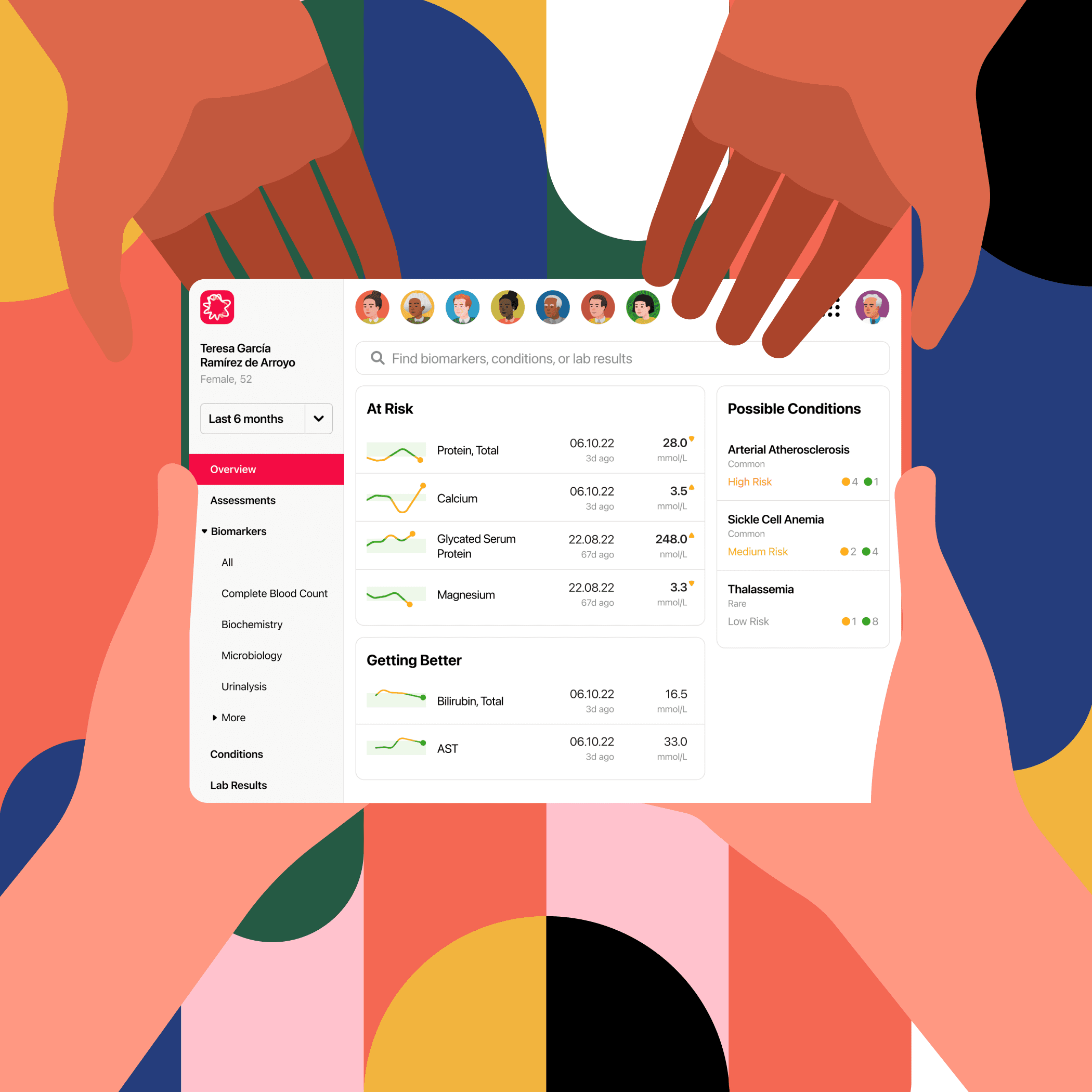
Ornament is introducing a new service that will help facilitate communication between healthcare professionals — doctors, osteopaths, nutritionists, and coaches — and their patients, organize patient data, reduce appointment times, and make medical care more efficient.

Vitamin D is considered by many to be a panacea for numerous diseases. People "prescribe" huge doses to themselves without even bothering to do an analysis of whether they should be taking it. Taking too much vitamin D can result in a variety of health issues.

Those who often catch a cold but don't get too sick and recover on their own do not necessarily have weak immunity. If you are interested in finding out how to recognize the signs of weak immunity and what you can do about it, keep reading.

Why doesn't Ornament assess the health status of pregnant women on a general basis or even create a separate feature for this purpose? The answer is simple—the blood and urine values of expectant mothers differ significantly from those of non-pregnant women. These reference biomarkers—which normally would be considered a deviation and a reason for a serious examination—are actually normal for pregnant women!

Have you tried a bunch of diets, do fitness to the point of exhaustion, and your weight stands still? The reason for the extra pounds may not lie in your diet or lifestyle. It’s important to find out why you aren’t losing weight, and medical tests can help you identify the cause.