


Do you need a special diet for gynecological problems? In most cases, this is not necessary. However, there are exceptions.

The Pap test (also referred to as the Pap smear) is one of the most common types of cytological analyses that every woman faces. How often women should have it done and why it's important?

Varicose veins are usually associated with dilated veins in the legs. They can appear in the most unexpected places, such as the pelvis. What is the risk?

With the rise of coronavirus, almost everyone has heard about the PCR method, but most people don’t understand exactly why this method is used and why it is better than a blood test.

According to the National Cancer Institute of the United States, there are approximately 200 different types of HPV. The virus may remain latent for many years and can suddenly reactivate, causing significant health damage. We have answered some of the most frequently asked questions about HPV.

Women might find it difficult to share with their friends — or even their doctor — about some of the unpleasant symptoms they experience. However, there is nothing to be ashamed of. Doctors are used to hearing about medical issues, and not telling your doctor can make the problem worse. What issues women usually prefer to keep quiet about?

Surprisingly enough, there is a lively debate about daily pads and how to use them. Let's set the record straight.
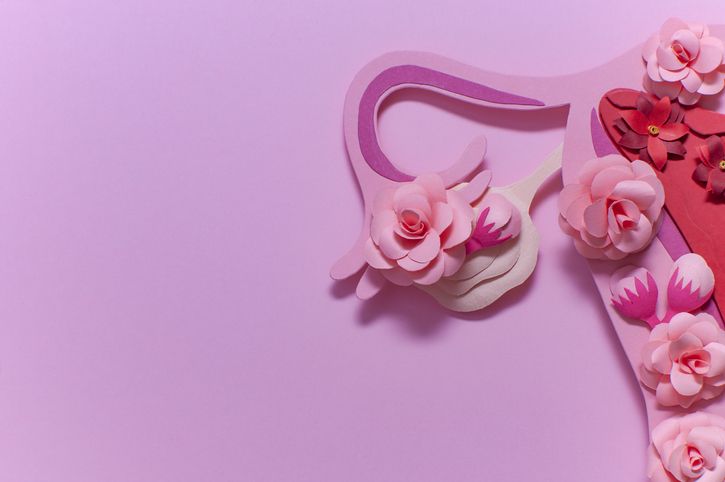
Hysterectomy is a fairly common surgery, yet it is surrounded by many rumors and fears. What is life like after this procedure?

Knowing the exact time of ovulation is important for both those who dream about having a baby and those who do not want to get pregnant. How can you determine ovulation as accurately as possible?
A cyst is a benign mass, which is a cavity filled with fluid and located on the surface of the organ. An ovarian cyst is quite common and may appear at any age. How dangerous are they?

The statistics look scary: millions of the world's population are infected with this type of herpes. Where does this virus come from and can we get rid of it?

All women have periods when sexual desire decreases. There can be many reasons for this, and there are tools that can help with this. Let’s look at this in more detail.

Sex with no contraceptive barriers, especially with a new partner, not only risks unwanted pregnancy but also the possibility of contracting sexually transmitted infections. What should be done to avoid these consequences?

Endometriosis occurs for no reason, often without symptoms, but leads to extremely negative consequences. How to detect the disease in time and what to do then?
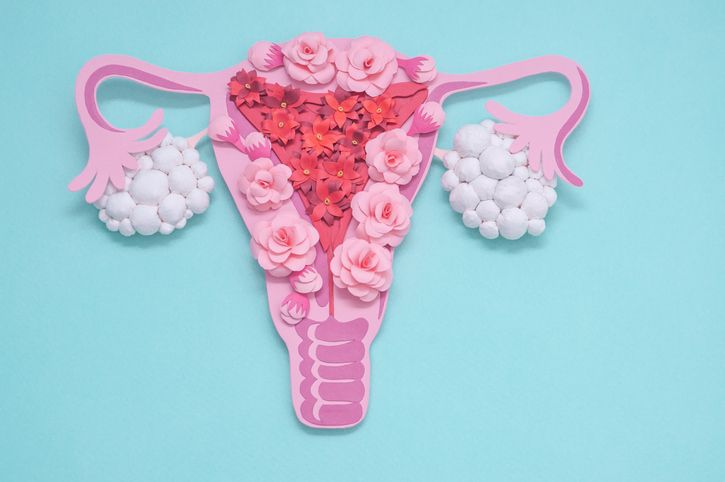
Polycystic ovarian syndrome (PCOS) is characterized by a disrupted menstrual cycle, weight gain, increased facial and body hair, acne, and absent or infrequent ovulation.

Taking long car rides, watching a movie without interruption, and sleeping soundly throughout the night is impossible when you need to urinate frequently. However, if you have this issue, there is hope. Frequent urination always has underlying causes that can be identified and eliminated.

Regular sex is not only a pleasure but also a health benefit. Lack of sexual activity can lead to depression, psychological problems, and the development of congestion in the pelvic organs. What is the reason for decreased libido in women?

The most well-known and frequently prescribed test that gynecologists use is the smear for flora. This is by no means accidental. The microflora of the vagina is very sensitive, depends on many factors, and is constantly changing. A change in the balance of useful and opportunistic bacteria can lead to unpleasant consequences for the health and quality of life of a woman.
Generally, if a couple has been attempting to conceive a child for one year and has not done so, they begin to explore the reasons. The causes of infertility may be hidden in the health of both women and men. Let’s look at the most common obstacles to motherhood for women.